English
 日本語
日本語 中文
中文

Industry News
News

Why Use Stainless Steel Threaded Fitting NPT/BSPT?
 2026.01.05
 Industry News
Content
- 1 What is a Stainless Steel Threaded Fitting NPT/BSPT?
- 2 Stainless Steel Threaded Fitting NPT/BSPT Advantages
- 3 Applications of Stainless Steel Threaded Fitting NPT/BSPT
- 4 How to Choose Stainless Steel Threaded Fitting NPT/BSPT
- 5 Maintenance Tips for Stainless Steel Threaded Fitting NPT/BSPT
- 6 FAQ
- 6.1 What is the difference between NPT and BSPT in Stainless Steel Threaded Fitting NPT/BSPT?
- 6.2 Can Stainless Steel Threaded Fitting NPT/BSPT handle high-pressure systems?
- 6.3 Which stainless steel grade is best for chemical applications?
- 6.4 How to prevent leaks in threaded stainless steel fittings?
- 6.5 Are Stainless Steel Threaded Fitting NPT/BSPT reusable?
What is a Stainless Steel Threaded Fitting NPT/BSPT?
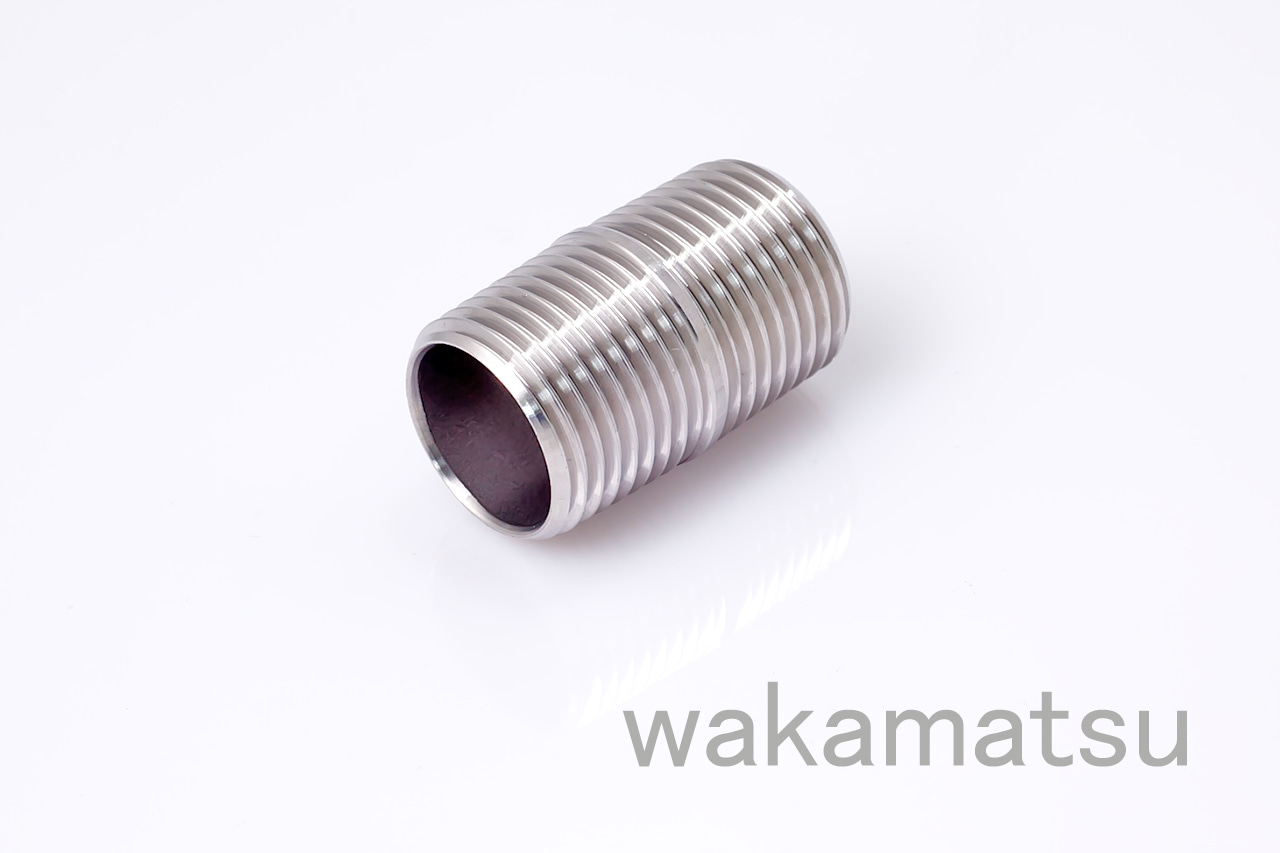
A Stainless Steel Threaded Fitting NPT/BSPT is a type of pipe connector widely used in industrial and plumbing systems. These fittings are designed to join pipes using threaded ends, providing a secure, leak-resistant connection. NPT (National Pipe Thread) and BSPT (British Standard Pipe Taper) are the two main threading standards, ensuring compatibility with regional piping systems.
- Material: Made from high-grade stainless steel for corrosion resistance and strength.
- Thread Type: NPT for US standard pipes, BSPT for European and international systems.
- Applications: Used in water, gas, oil, and chemical pipelines.
- Comparison Table:
| Feature | NPT | BSPT |
|---|---|---|
| Thread angle | 60° | 55° |
| Sealing | Tapered, thread sealant needed | Tapered, thread sealant recommended |
| Usage region | North America | Europe & Asia |
Stainless Steel Threaded Fitting NPT/BSPT Advantages
Choosing Stainless Steel Threaded Fitting NPT/BSPT provides significant benefits for durability, safety, and maintenance. Stainless steel ensures resistance to corrosion, high pressure, and temperature, making it ideal for industrial applications. Threaded connections simplify installation and future maintenance without welding or special tools.
- Durability: Withstands harsh environments and chemical exposure.
- Leak Resistance: Tapered threads create a tight seal with minimal leakage.
- Ease of Installation: No welding required; fits standard pipe systems.
- Comparison Table:
| Feature | Stainless Steel Threaded | Welded Fitting |
|---|---|---|
| Corrosion Resistance | High | Moderate |
| Installation Ease | Easy | Requires welding |
| Maintenance | Simple | Complex |
Applications of Stainless Steel Threaded Fitting NPT/BSPT
These fittings are versatile and widely used across industries. Their compatibility with both NPT and BSPT threads allows for global applications in plumbing, chemical, petrochemical, and water treatment systems. They are also used in high-pressure and high-temperature environments due to stainless steel's resilience.
- Industrial pipelines: Oil, gas, chemical transport.
- Water supply and wastewater treatment systems.
- HVAC and compressed air systems.
- Comparison Table:
| Industry | Use Case |
|---|---|
| Oil & Gas | High-pressure pipelines and valves |
| Chemical | Corrosion-resistant chemical transport |
| Plumbing | Domestic and commercial water lines |
| HVAC | Compressed air and heating systems |
How to Choose Stainless Steel Threaded Fitting NPT/BSPT
Selecting the right Stainless Steel Threaded Fitting NPT/BSPT depends on pipe size, thread type, pressure rating, and application environment. Consider the chemical compatibility, temperature limits, and standard compliance when specifying a fitting for industrial or domestic use.
- Thread Type: Ensure compatibility with existing piping (NPT vs BSPT).
- Material Grade: Stainless steel grades like 304 or 316 for corrosion resistance.
- Pressure Rating: Match fitting to system pressure requirements.
- Size & Dimensions: Confirm thread size and pipe diameter compatibility.
- Comparison Table:
| Factor | Recommendation |
|---|---|
| Thread Type | Match NPT/BSPT based on system |
| Material Grade | 304 for standard, 316 for chemical resistance |
| Pressure Rating | Check manufacturer specification |
| Pipe Size | Confirm with existing pipeline |
Maintenance Tips for Stainless Steel Threaded Fitting NPT/BSPT
Proper maintenance extends the life of Stainless Steel Threaded Fitting NPT/BSPT and ensures leak-free operation. Regular inspection, cleaning, and applying appropriate thread sealants can prevent corrosion and failures. Avoid excessive torque when tightening to protect threads.
- Inspection: Check for signs of wear or corrosion periodically.
- Cleaning: Remove debris and chemical residues from threads.
- Thread Sealant: Apply PTFE tape or liquid sealant as recommended.
- Torque Control: Avoid over-tightening which can damage threads.
FAQ
What is the difference between NPT and BSPT in Stainless Steel Threaded Fitting NPT/BSPT?
NPT threads are primarily used in North America with a 60° thread angle, while BSPT threads are used internationally with a 55° thread angle. Both are tapered threads designed to create a seal, but the standards are not interchangeable without adapters.
Can Stainless Steel Threaded Fitting NPT/BSPT handle high-pressure systems?
Yes, when properly rated, these fittings can handle high-pressure applications. Stainless steel's mechanical strength combined with the tapered threads ensures a secure, leak-resistant connection suitable for industrial pipelines and hydraulic systems.
Which stainless steel grade is best for chemical applications?
For chemical resistance, grade 316 stainless steel is recommended due to its high molybdenum content, which provides superior resistance to corrosion from acids, salts, and chemical solvents compared to grade 304.
How to prevent leaks in threaded stainless steel fittings?
To prevent leaks, always use the correct thread sealant or PTFE tape. Avoid over-tightening, ensure clean threads, and select the fitting grade and size suitable for the system pressure and temperature.
Are Stainless Steel Threaded Fitting NPT/BSPT reusable?
Yes, they can be reused if they remain in good condition, but repeated disassembly can damage threads. Inspect threads for wear or deformation before reinstallation and apply new thread sealant each time.
Certificate Of Honor
If You Need More Help, Let Us Know.

ABOUT US
PRODUCTS
CAPABILITY
CONTACT US
- Phone: +86-21-59261529
- Email: sales@sh-wakamatsu.com
- Email: panhy@sh-wakamatsu.com
- Add: B3 Factory , Industrial Park, Jinze Town, Shanghai, China
Copyright © Shanghai Wakamatsu Metal Products Co., Ltd.
All Rights Reserved.Custom Stainless Steel Pipe Fitting Manufacturers, Suppliers