English
 日本語
日本語 中文
中文

Industry News
News

Why Choose Stainless Steel Industrial Flange?
 2025.12.24
 Industry News
Content
- 1 What is a Stainless Steel Industrial Flange?
- 2 Advantages of Stainless Steel Industrial Flange
- 3 Applications of Stainless Steel Industrial Flange
- 4 How to Select Stainless Steel Industrial Flange
- 5 Maintenance Tips for Stainless Steel Industrial Flange
- 6 FAQ
- 6.1 What are the common types of Stainless Steel Industrial Flange?
- 6.2 How do I choose the right grade of stainless steel for flanges?
- 6.3 Can Stainless Steel Industrial Flange be used in high-temperature systems?
- 6.4 What maintenance is required for stainless steel flanges?
- 6.5 Are stainless steel flanges reusable?
What is a Stainless Steel Industrial Flange?
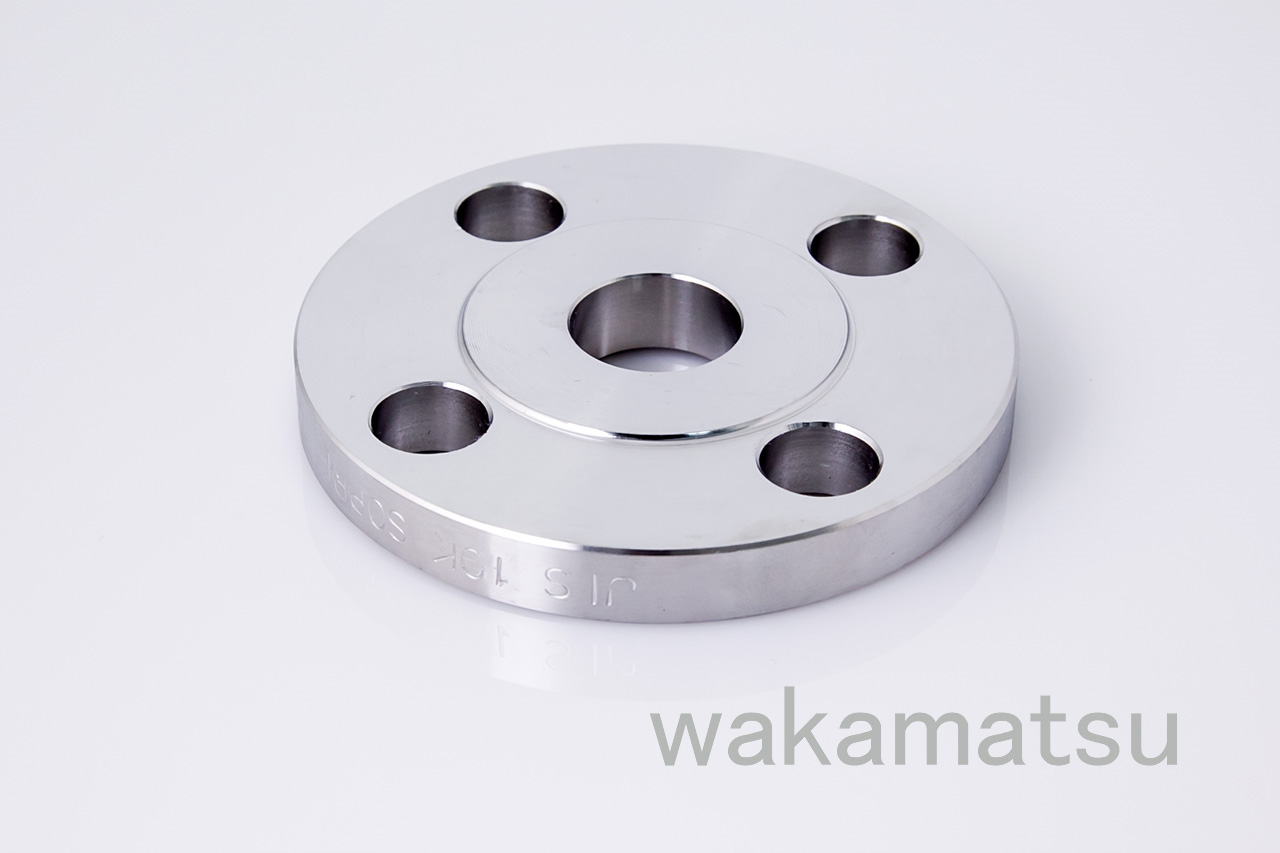
A Stainless Steel Industrial Flange is a mechanical component used to connect pipes, valves, pumps, and other equipment in industrial piping systems. Made from high-grade stainless steel, it provides superior corrosion resistance, durability, and reliability under high pressure and temperature conditions. Flanges create a strong seal between components and allow for easy assembly and disassembly, which is critical for maintenance and system modifications.
- Material: High-grade stainless steel such as 304 or 316 for chemical and temperature resistance.
- Connection Types: Weld neck, slip-on, socket weld, threaded, and blind flanges.
- Applications: Used in oil, gas, chemical, water treatment, and power generation industries.
- Comparison Table:
| Flange Type | Stainless Steel | Carbon Steel |
| Corrosion Resistance | High | Moderate |
| Maintenance | Low | Moderate |
| Temperature Resistance | High | Standard |
Advantages of Stainless Steel Industrial Flange
Using a Stainless Steel Industrial Flange provides several advantages that improve system safety, reliability, and longevity. Stainless steel’s resistance to corrosion, oxidation, and chemical attack makes it ideal for industrial applications. Flanged connections allow for easy installation, alignment, and maintenance without specialized tools or welding.
- Durability: Resists corrosion, rust, and scaling even in harsh environments.
- Leak Prevention: Ensures a tight, secure seal between pipes and components.
- Ease of Installation: Quick assembly and disassembly without complex tools.
- Comparison Table:
| Feature | Stainless Steel Flange | Plastic or PVC Flange |
| Pressure Resistance | High | Low |
| Temperature Range | High | Limited |
| Longevity | Very Long | Moderate |
Applications of Stainless Steel Industrial Flange
Stainless Steel Industrial Flange is widely used across diverse industries due to its versatility and strength. These flanges are suitable for connecting high-pressure pipelines, pumps, and valves, making them essential in chemical processing, oil and gas, power plants, and water treatment facilities.
- Industrial pipelines: Oil, gas, and chemical transport systems.
- Water and wastewater treatment plants for secure pipe connections.
- HVAC systems and compressed air pipelines.
- Comparison Table:
| Industry | Use Case |
| Oil & Gas | High-pressure piping and pump connections |
| Chemical | Corrosion-resistant chemical transport lines |
| Water Treatment | Secure connections for clean and wastewater pipelines |
| Power Plants | Steam and cooling system connections |
How to Select Stainless Steel Industrial Flange
Choosing the right Stainless Steel Industrial Flange involves evaluating material grade, pressure rating, size, and flange type. Ensuring compatibility with system requirements and piping standards is critical for safety and performance. Proper selection improves durability and minimizes the risk of leaks or failures.
- Material Grade: Use 304 for general purposes, 316 for chemical or marine applications.
- Flange Type: Weld neck, slip-on, socket weld, blind, or threaded based on system design.
- Pressure and Temperature Rating: Match the flange to pipeline specifications.
- Dimensions and Standards: Ensure ANSI, DIN, or ISO compliance for compatibility.
- Comparison Table:
| Factor | Recommendation |
| Material | 304 for standard, 316 for corrosive environments |
| Flange Type | Choose based on connection requirement |
| Pressure Rating | Verify with system specifications |
| Standard | ANSI/DIN/ISO depending on region |
Maintenance Tips for Stainless Steel Industrial Flange
Proper maintenance of Stainless Steel Industrial Flange ensures long-term performance and leak-free operation. Regular inspection, cleaning, and correct torque application are essential. Use suitable gaskets and avoid over-tightening to protect flange integrity.
- Inspection: Check for corrosion, deformation, or cracks periodically.
- Cleaning: Remove residues and chemical buildup to prevent corrosion.
- Torque Control: Apply recommended torque to prevent damage.
- Gasket Use: Use proper gaskets to maintain a secure, leak-proof seal.
FAQ
What are the common types of Stainless Steel Industrial Flange?
Common types include weld neck, slip-on, socket weld, blind, and threaded flanges. Each type is designed for specific connection requirements and pressure conditions, providing flexibility for various industrial applications.
How do I choose the right grade of stainless steel for flanges?
Use grade 304 for standard applications with minimal corrosion exposure. For chemical, marine, or high-corrosion environments, select grade 316 for superior resistance to acids, salts, and harsh chemicals.
Can Stainless Steel Industrial Flange be used in high-temperature systems?
Yes, stainless steel flanges are suitable for high-temperature applications such as steam pipelines and heat exchangers. Always verify the material grade and flange rating to ensure safety and compliance with system requirements.
What maintenance is required for stainless steel flanges?
Regular inspection for corrosion or mechanical wear, cleaning residue from surfaces, using correct gaskets, and applying proper torque during assembly are key maintenance practices for ensuring reliable operation.
Are stainless steel flanges reusable?
Yes, flanges can be reused if in good condition, but repeated disassembly can wear the sealing surfaces. Always inspect for damage and replace gaskets when reinstalling.
Related Products
Certificate Of Honor
If You Need More Help, Let Us Know.

ABOUT US
PRODUCTS
CAPABILITY
CONTACT US
- Phone: +86-21-59261529
- Email: sales@sh-wakamatsu.com
- Email: panhy@sh-wakamatsu.com
- Add: B3 Factory , Industrial Park, Jinze Town, Shanghai, China
Copyright © Shanghai Wakamatsu Metal Products Co., Ltd.
All Rights Reserved.Custom Stainless Steel Pipe Fitting Manufacturers, Suppliers