English
 日本語
日本語 中文
中文

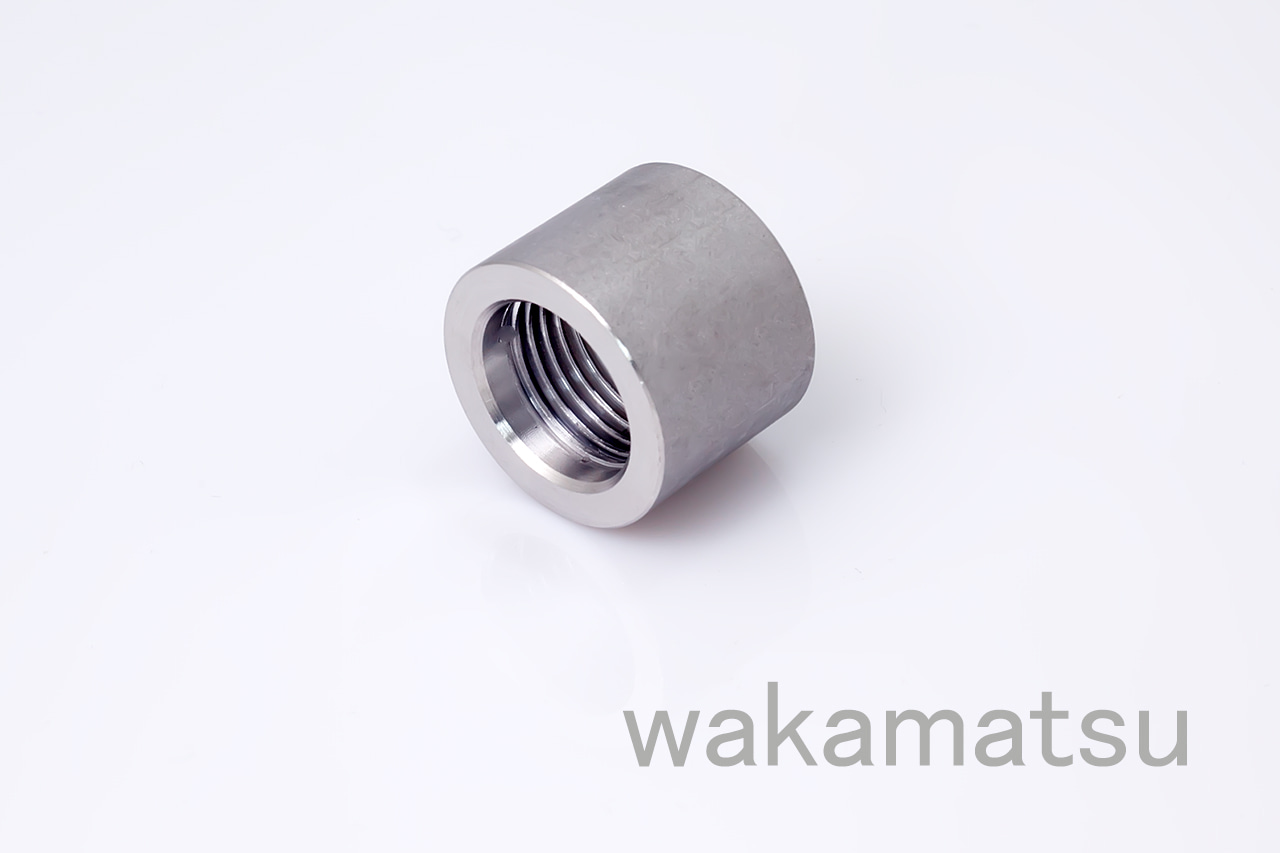
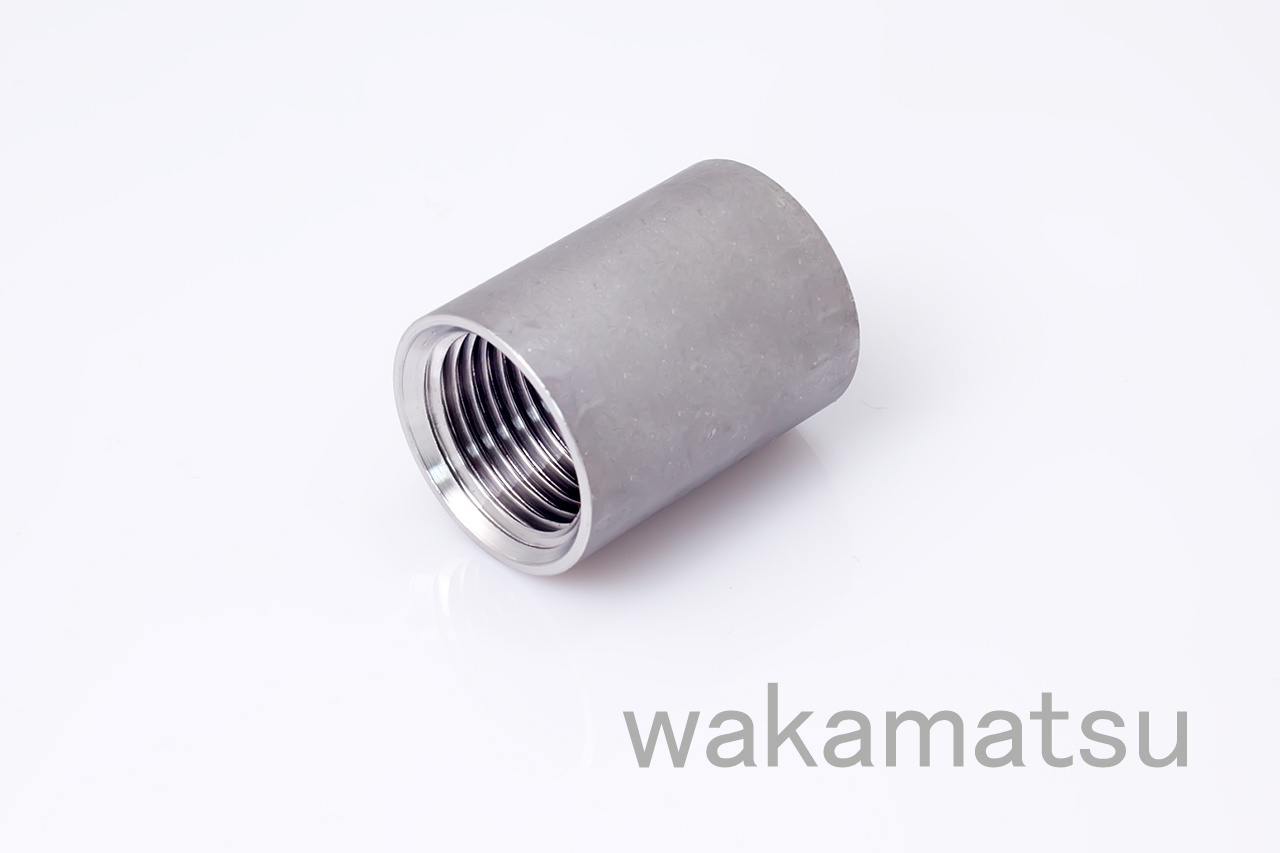
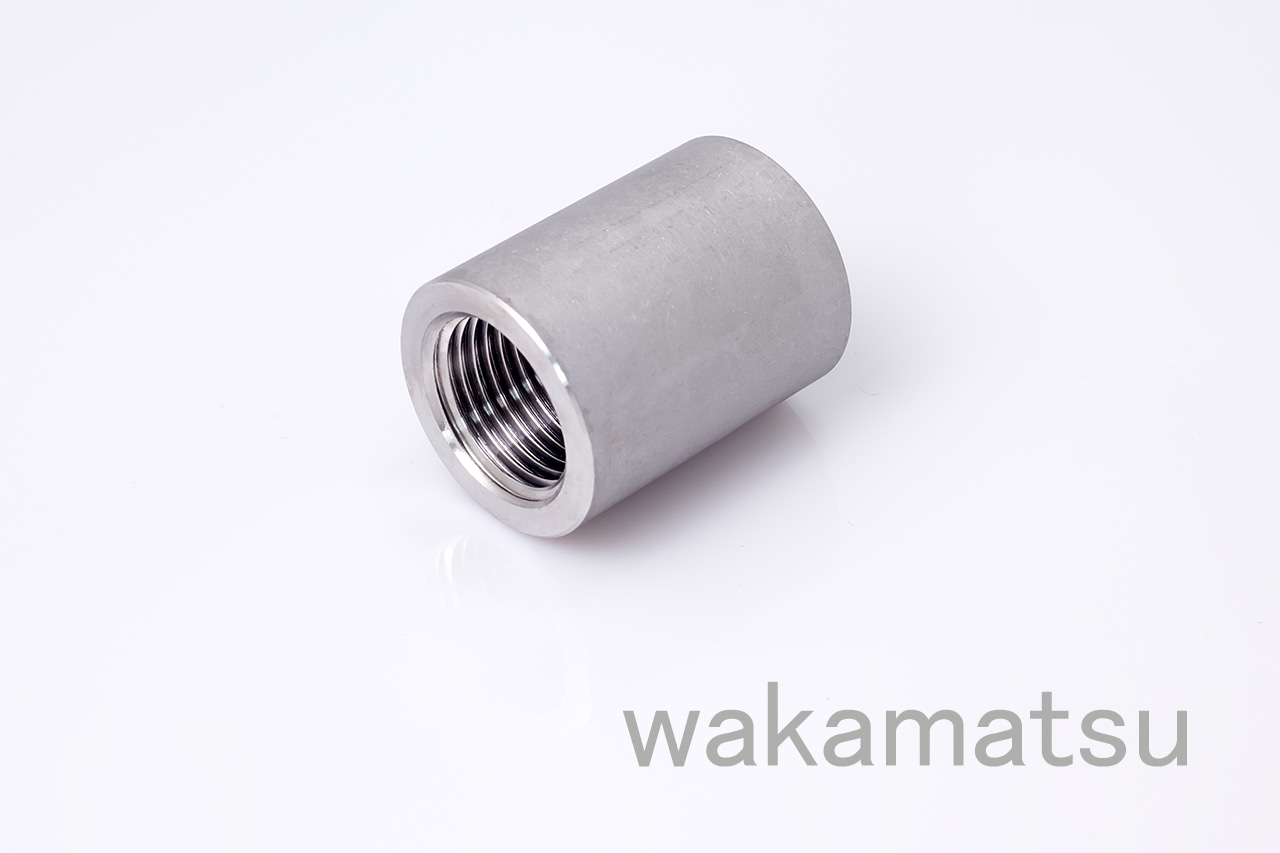
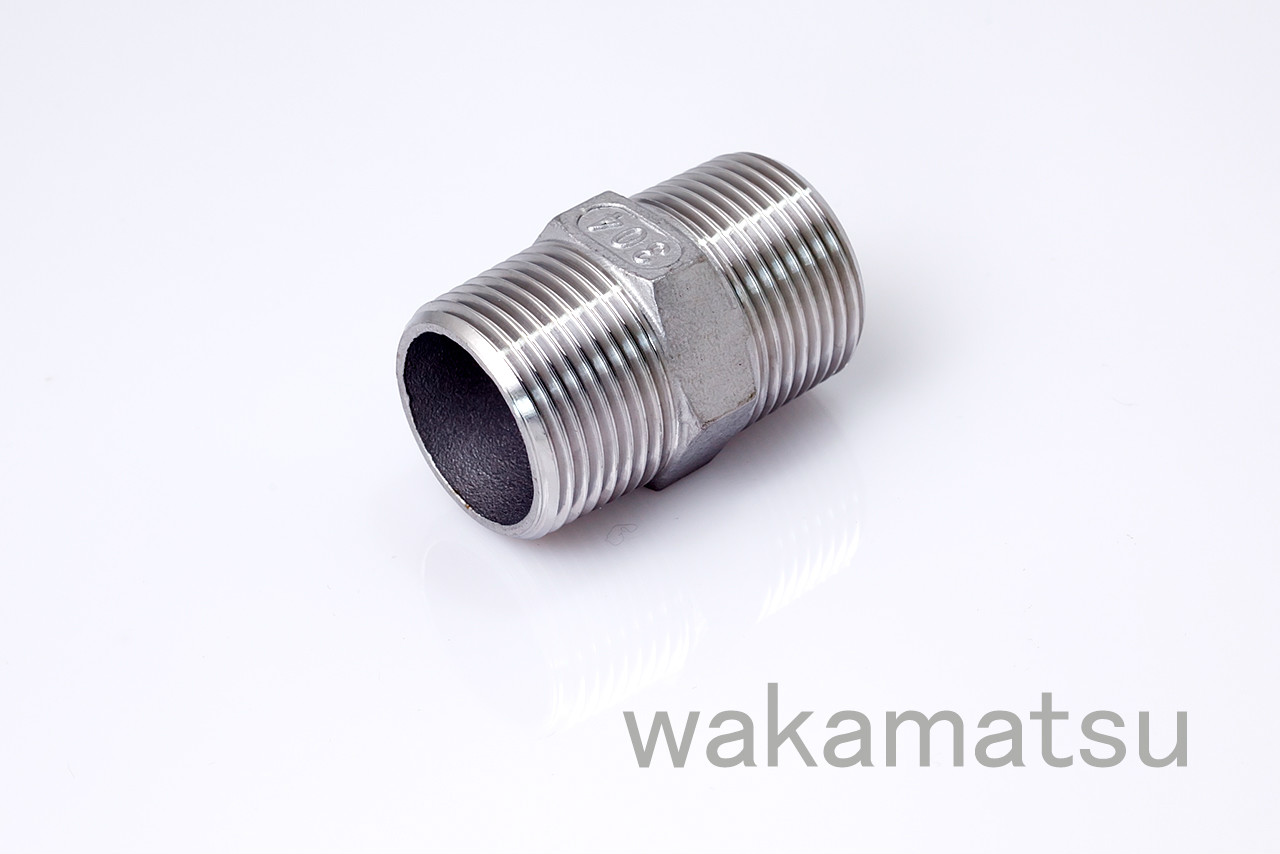
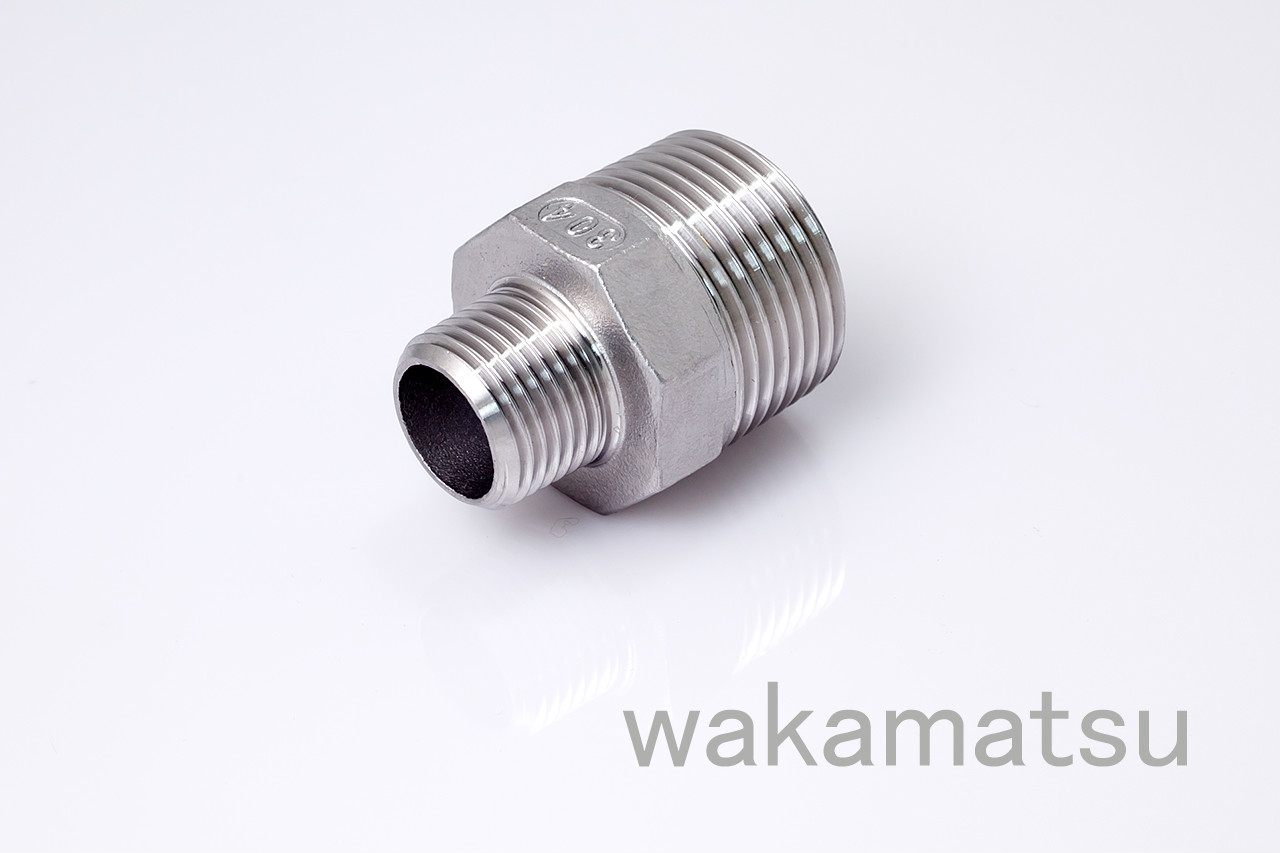
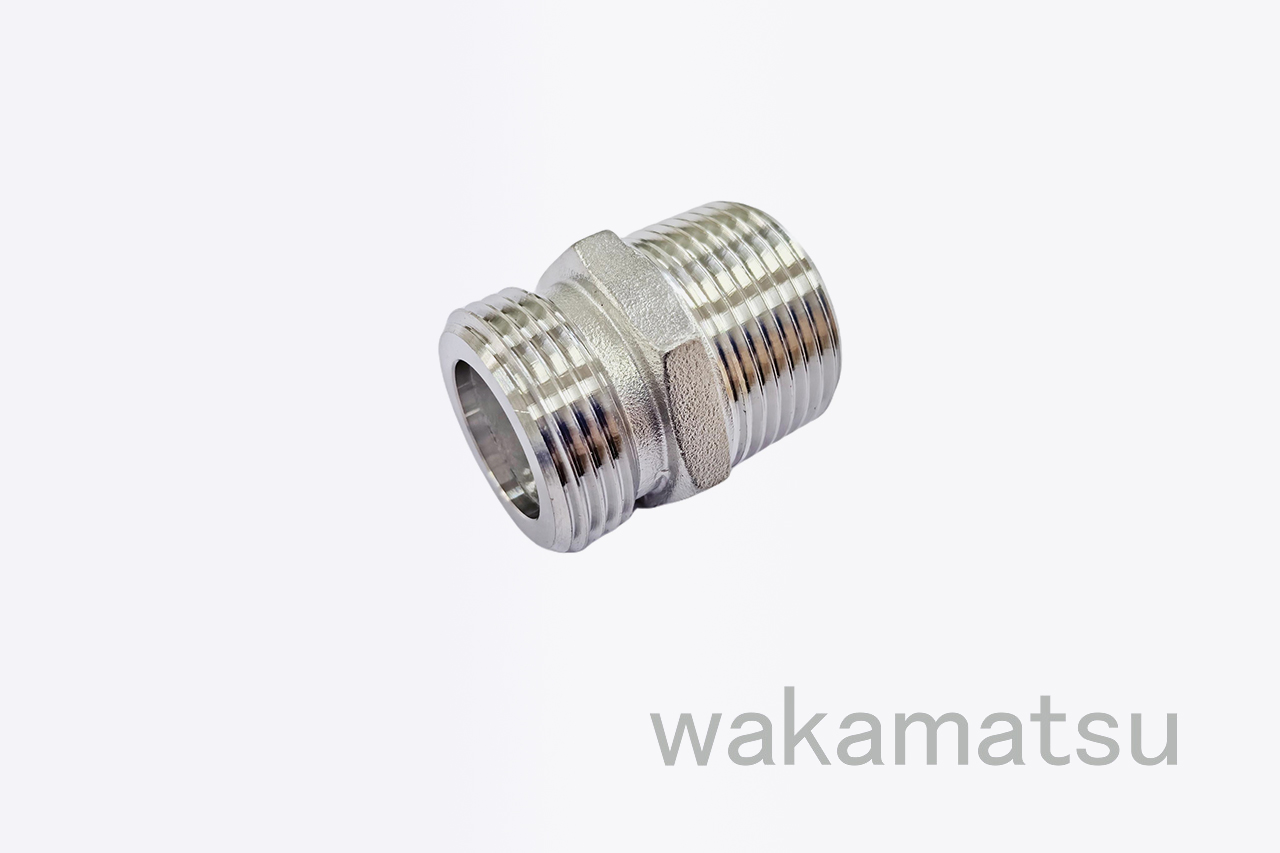
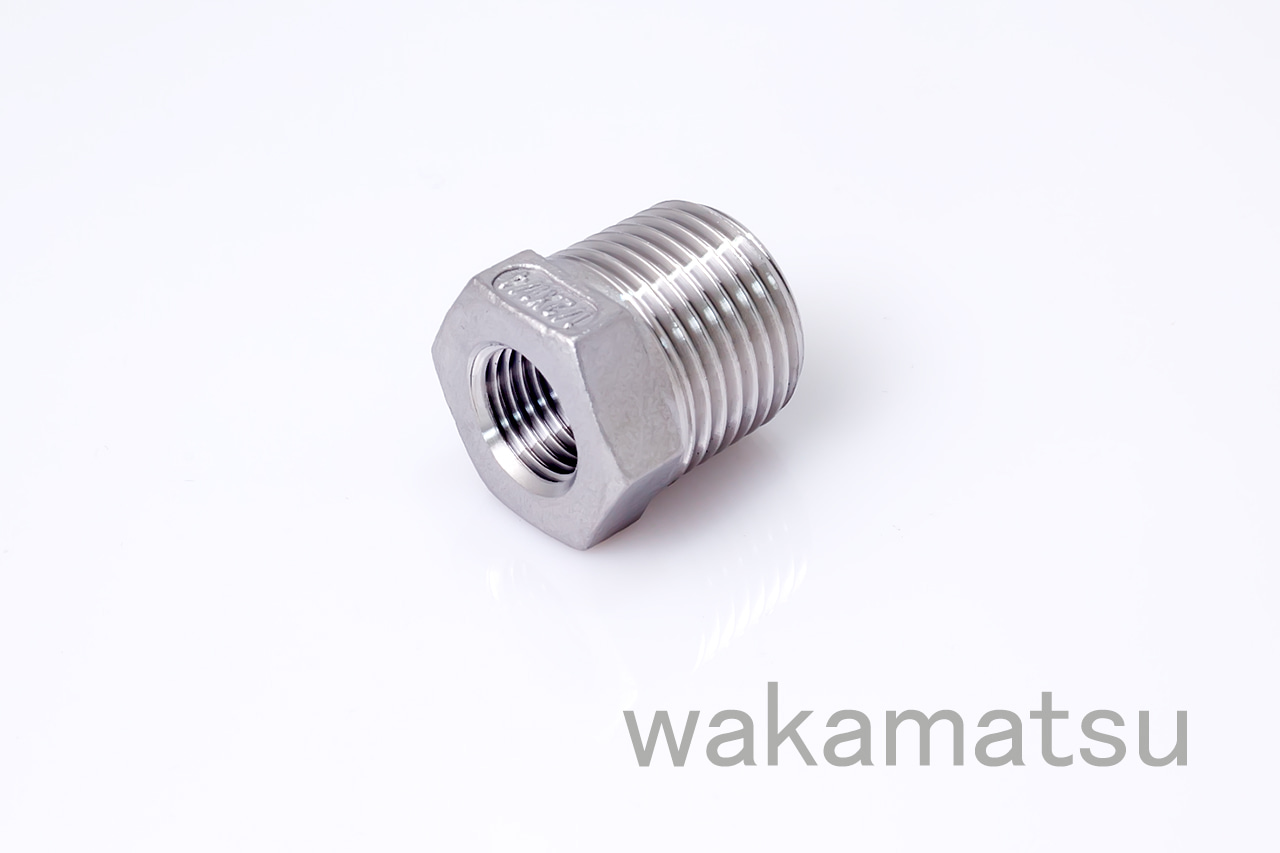
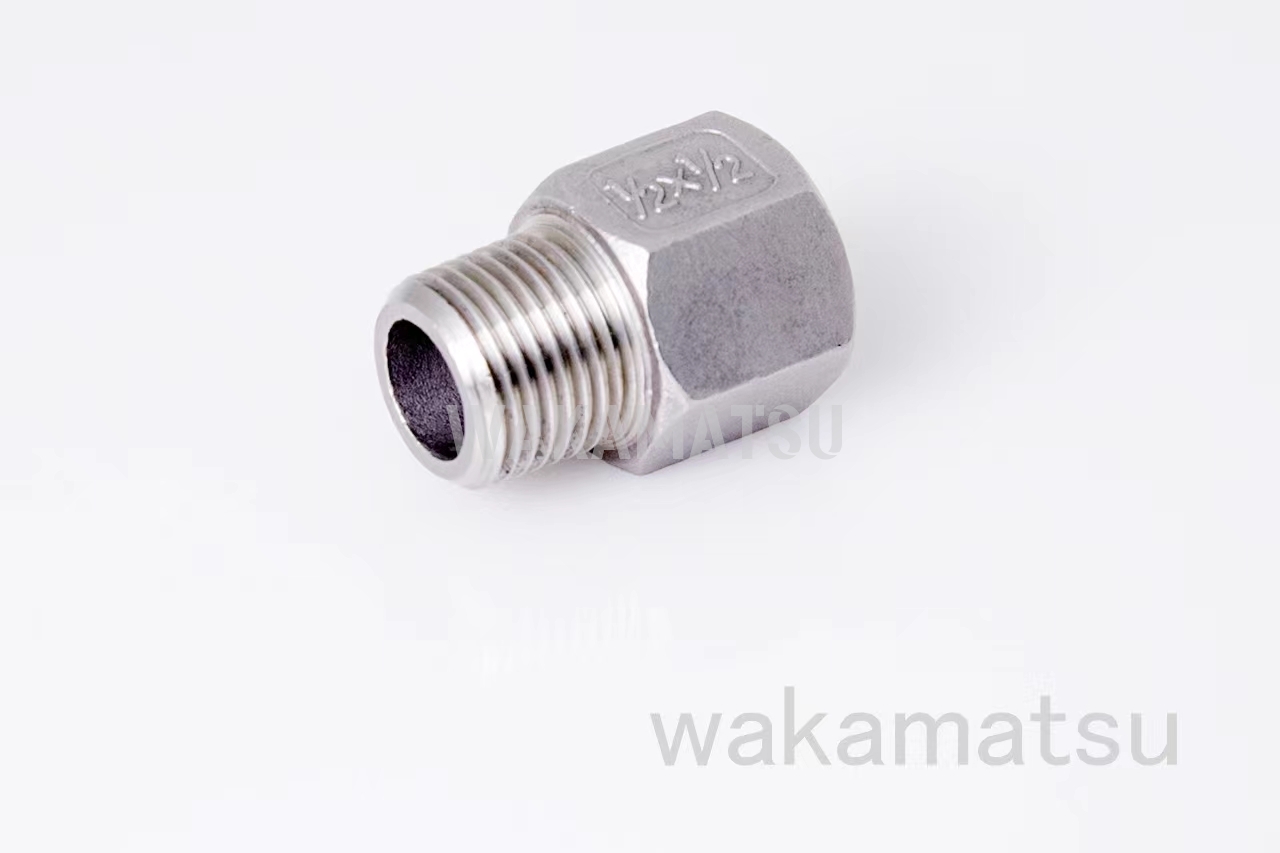
In modern piping and mechanical systems, reliability, corrosion resistance, and installation efficiency are no longer optional — they are standard requirements. Stainless steel threaded connectors have become a preferred solution across industrial sectors due to their durability, versatility, and co...
READ MORE
Stainless Steel Threaded Fitting NPT/BSPT Manufacturers
As a key link in fluid control systems, our stainless steel fittings are renowned for their exceptional sealing, corrosion resistance, and mechanical strength. Crafted from high-quality 304/316 stainless steel, they ensure reliable, leak-free pipe connections even under high pressure, low temperatures, and harsh industrial environments. Widely used in the petrochemical, food and pharmaceutical, semiconductor, and mechanical equipment industries, they are the preferred components for building safe and efficient fluid pipelines.
-
Stainless steel connectors
-
Stainless steel threaded connector
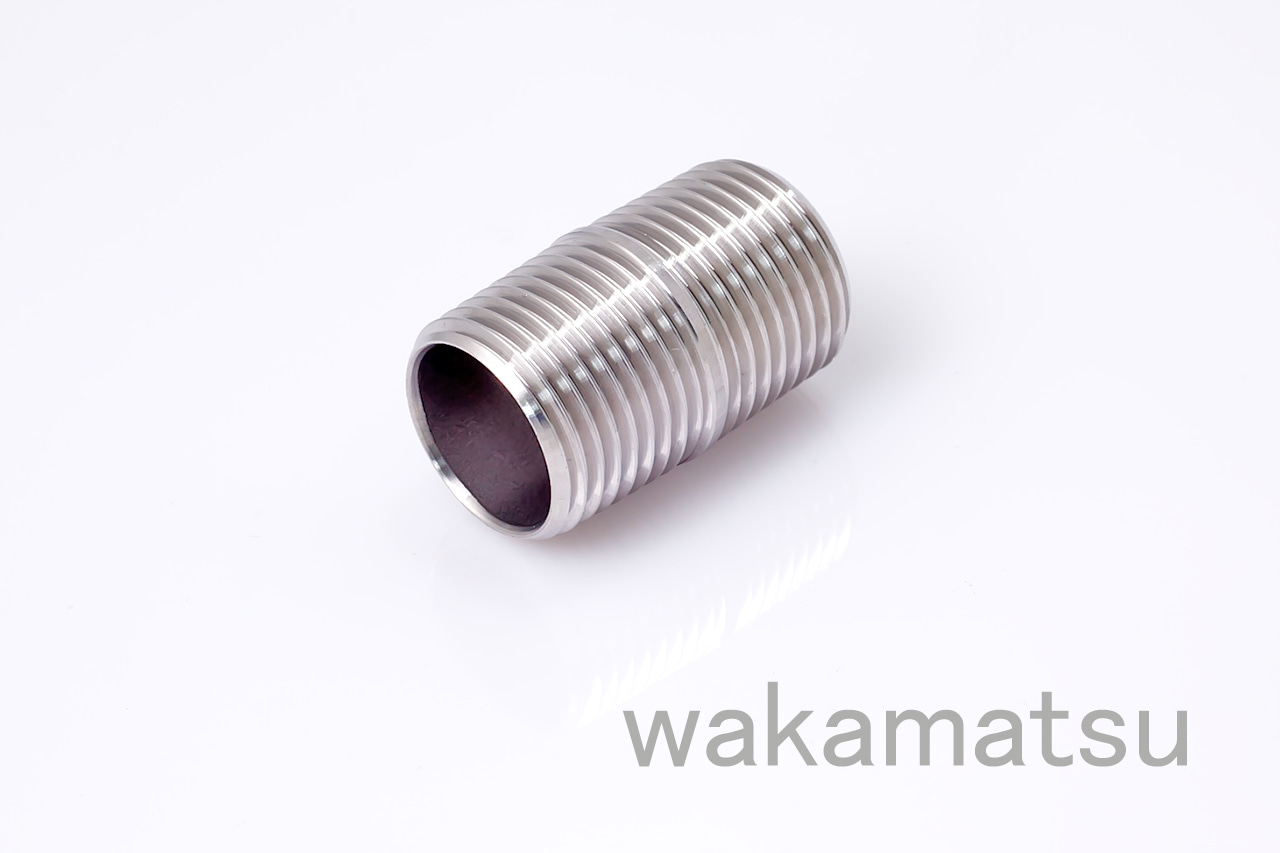
- Nipple,VN/VLN stainless steel double-ended male connector
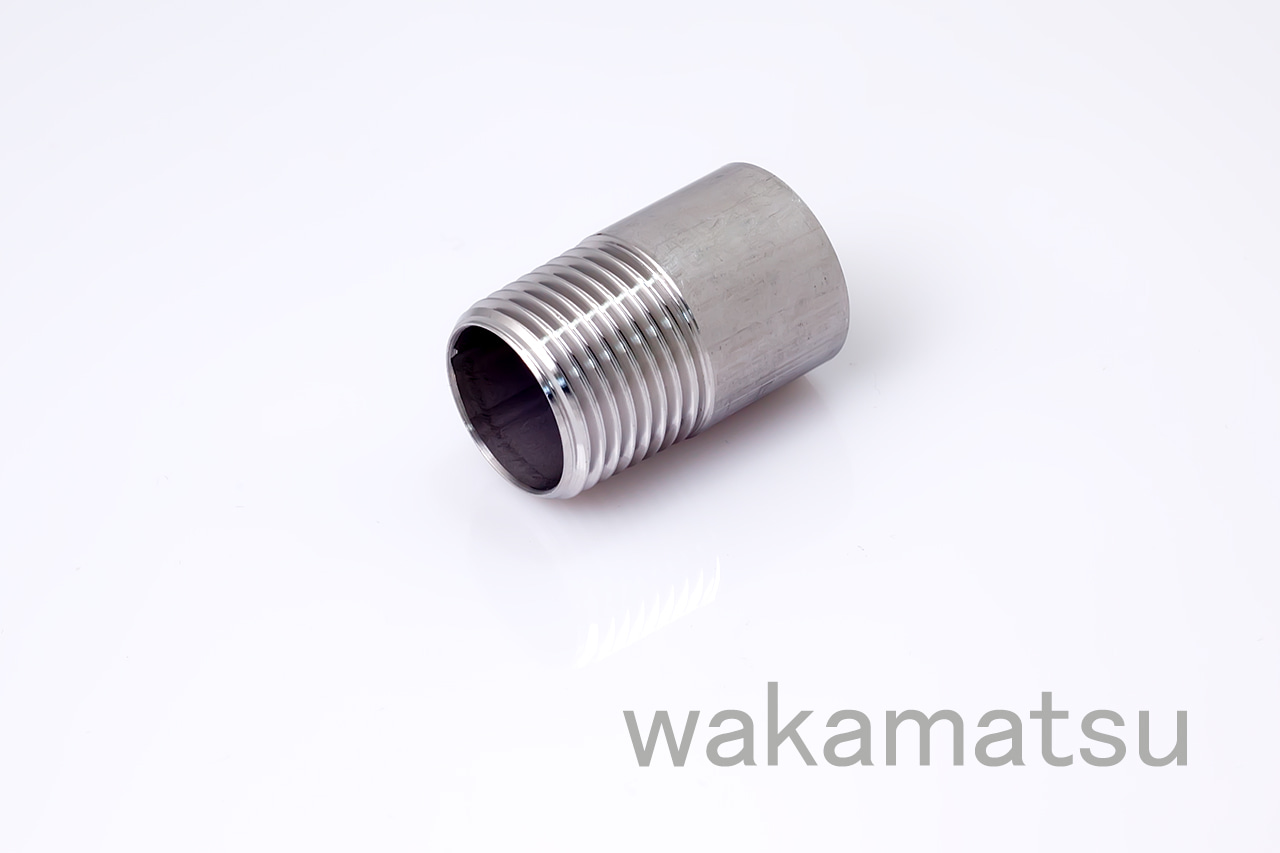
- Nipple,VWN/VWLN stainless steel single-ended male connector
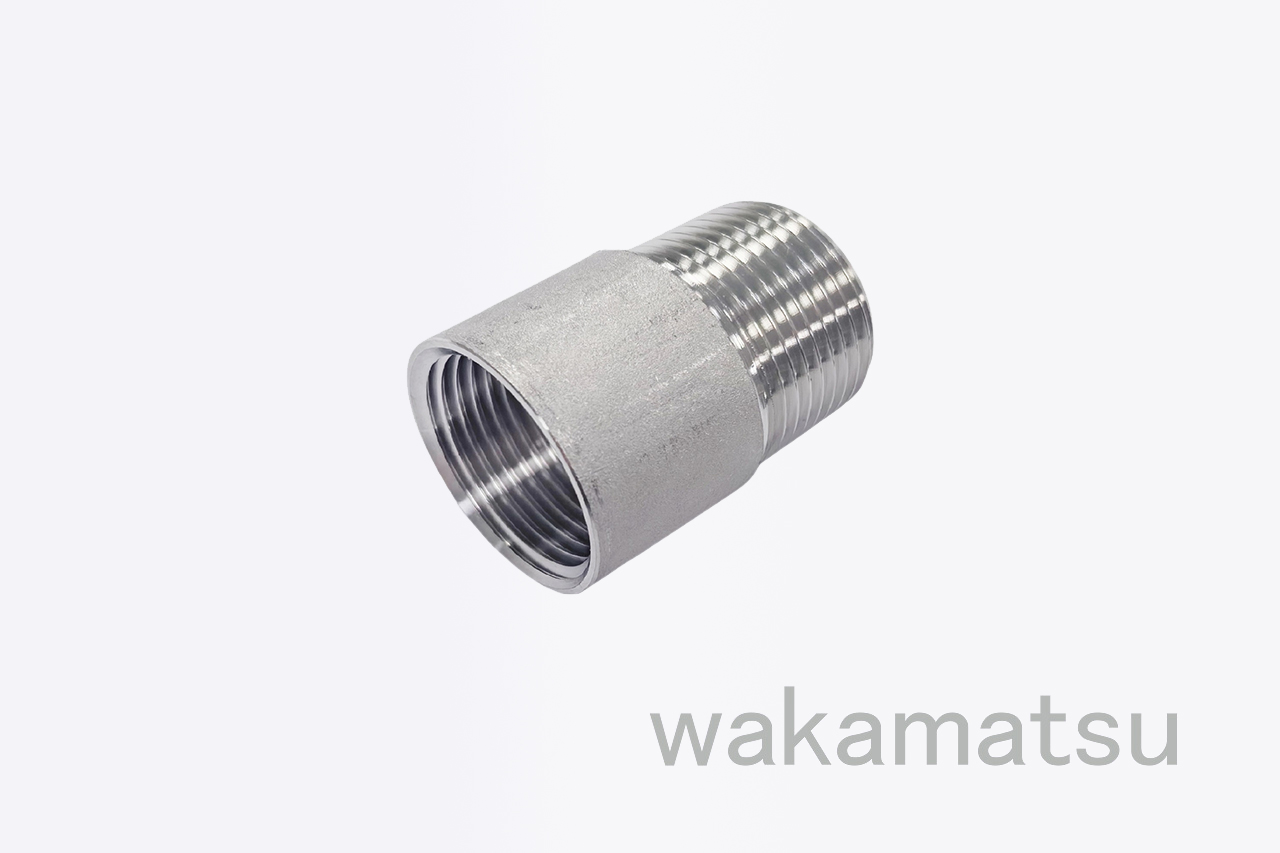
- WMFB/WMFLB stainless steel female connector, extension connector
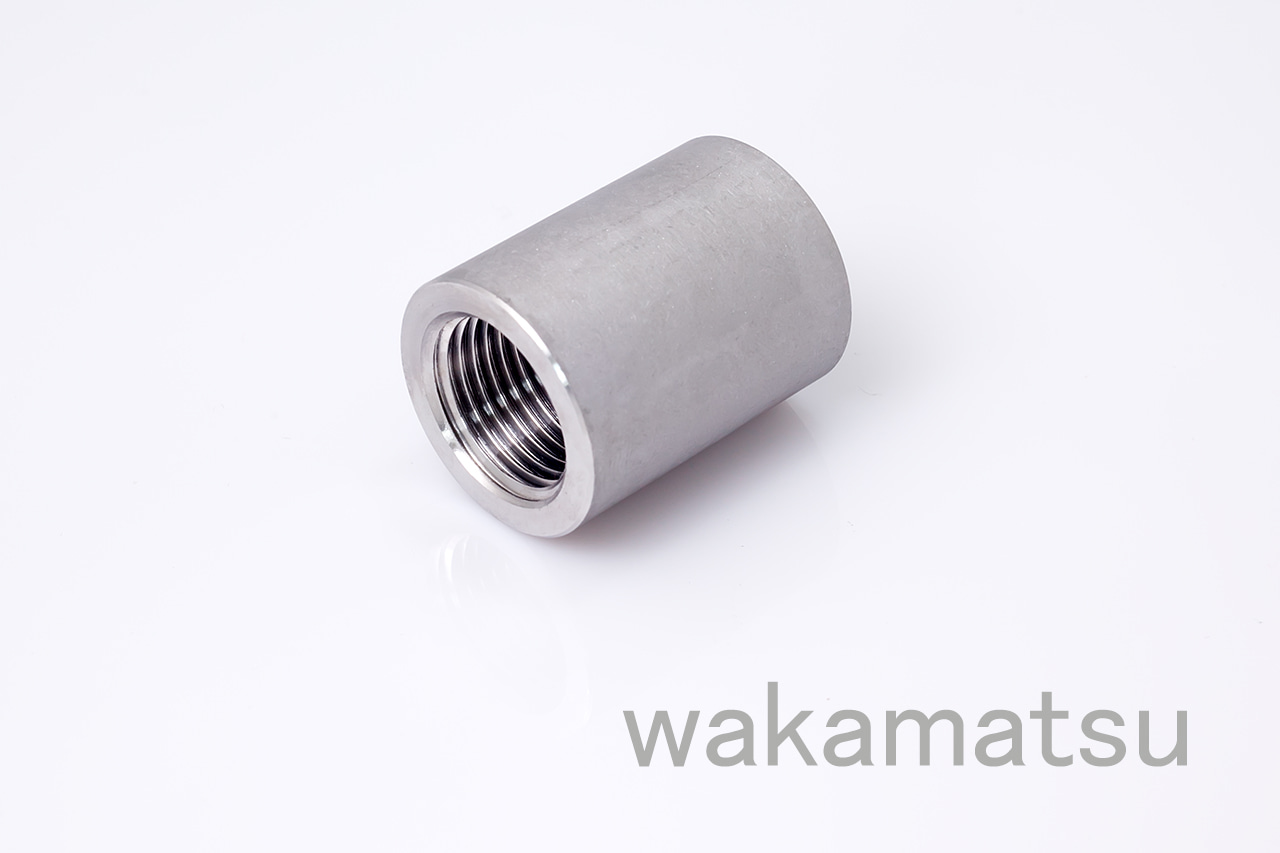
- Socket,WPTS/WPTSB thin stainless steel double-ended female connector
- Socket,WHPTS/WHPTSB stainless steel single-ended female connector
- Socket,VSO/VHSO stainless steel straight-through female connector
- Socket,WPS stainless steel thick-wall straight-through female connector
- WM6N stainless steel hexagon nipple connector
- WMRN Stainless Steel Hexagon Reducing nippe connector
- WSFG stainless steel hexagonal equal-diameter adapter
- WBU/WMBU stainless steel bushing connectors
- WMF stainless steel male/female adapters
- WMFR stainless steel male/female reducing adapter
- WMS stainless steel flanged female banded socket
- WMRS stainless steel reducing female connectors
- W-KN series stainless steel quick-connect connectors
- VRHN stainless steel round hose connectors
- VRH stainless steel welding hose connectors
- VHS stainless steel hose connectors
- VHJ stainless steel hose connectors
- VHN, WCH, WMCH stainless steel hexagonal male hose fittings
- WCHF stainless steel hexagonal female thread hose fittings
- WCHL stainless steel L-shaped hose fittings
- WMU stainless steel female union fittings
- WMU2 stainless steel external union fittings WMU2 stainless steel male union fittings
- WMU3 stainless steel female and male union fittings
- WMUL stainless steel female union elbow fittings
- WMUL2 stainless steel female and male union elbow fittings
- WML stainless steel 90° elbow fittings
- WMRL stainless steel reducing elbow fittings
- WMSL stainless steel male/female elbow fitting
- WM45L stainless steel 45° elbow fitting
- WMX stainless steel cross fitting
- WMT stainless steel tee fitting
- WMRT stainless steel reducing tee fitting
- WMT-FMF-1/2 stainless steel main/female branch/female tee fitting
- WMT-FFM-1/2 stainless steel main/double female branch/male tee fitting
- WMT-MMF-1/2 stainless steel main/double male branch/female tee fitting
- WMYT-1/2 stainless steel full female tee fitting
- WMP stainless steel square plug fitting
- WMHP stainless steel hexagonal plug connector
- WCP stainless steel inner hexagonal plug connector
- WC stainless steel round pipe cap
- WHC stainless steel hexagonal pipe cap
- Stainless Steel Bulkhead Fittings Tt Series Female Thread/Male Thread
- Stainless Steel Bulkhead Fittings TTM Series Male/Female thread
- WSFG stainless steel hexagonal equal-diameter adapter-副本
-
Stainless steel bite type fittings
- W - Ktz Stainless Steel Straight-Through Bite Type Fitting
- W - KTZR Stainless Steel Reducing Straight-Through Bite Type Fitting
- W - Ktzm Stainless Steel Straight-Through Male Thread Bite Type Fitting
- W - Ktzf Stainless Steel Straight Through Female Thread Bite Type Fitting
- W - Ktl Stainless Steel Elbow Bite Type Fitting
- W - Ktlm Stainless Steel Male Elbow Bite Type Fitting
- W - Ktlf Stainless Steel Female Thread Elbow Bite Type Fitting
- W - Ktt Stainless Steel Tee Bite Type Fitting
- W - Ktt - Tmt Stainless Steel Tee Bite Type Fitting TMT
- W - Ktt - Tft Stainless Steel Tee Bite Type Fitting TFT
- W - Ktt - Ttm Stainless Steel Tee Branch Male Threaded Fitting
- W - Ktt - Ttf Stainless Steel Tee Bite Type Fitting TTF
- W - Ktx Stainless Steel Four-Way Bite Type Fitting
- W - Ktz - Cb Stainless Steel Straight-Through Bite Type Bulkhead Fitting
- W - Ktc Stainless Steel Tube Plug
- W - Ktp Stainless Steel Ferrule End Plug
- W - Ktq Stainless Steel Ferrule Assembly
- W - Ktg Stainless Steel Tube
-
Stainless steel quick connector
- W-Ksa Stainless Steel Quick Connector
- W-Kse Stainless Steel Quick Connector
- W-Ksf Stainless Steel Quick Connector
- W-Ksdp Stainless Steel Quick Connector
- W-Ksc Stainless Steel Handle Quick Connector
- W-Ksd Stainless Steel Handle Quick Connector
- W-Ksb Stainless Steel Lever Type Quick Connector
- W-Ksdc Stainless Steel Handle Quick Connector
- Stainless steel VCR connector
-
Stainless steel threaded connector
-
Stainless steel valves
-
Stainless steel ball valve
- Wv101/Wv101b Stainless Steel One-Piece Ball Valve
- Wv102/Wv102b Stainless Steel Two-Piece Ball Valve
- Wv102fm Stainless Steel Two-Piece Female And Male Thread Ball Valve
- Wv103 Stainless Steel Three-Piece Ball Valve
- Wv104 Stainless Steel Three-Way Ball Valve
- Wv301 Stainless Steel One-Piece Flange Ball Valve
- Wv302 Stainless Steel Two-Piece Flange Ball Valve
- Wv201ff Mini Stainless Steel Female Thread Ball Valve
- Wv202mm Mini Stainless Steel Male Ball Valve
- Wv203fm Mini Stainless Steel Female And Male Thread Ball Valve
- Wv204hm Pagoda-Shaped Stainless Steel Mini Male Ball Valve
- Wv205hf Pagoda-Shaped Stainless Steel Mini Female Ball Valve
- Stainless steel Y-type strainer
- Stainless steel gate valve/globe valve/check valve
- Stainless steel needle valve
-
Stainless steel ball valve
-
Stainless steel BUTT-WELDING fittings
-
Stainless steel flange
- Hoses and flexible pipes
Grid
List
About Us
Shanghai Wakamatsu Metal Products Co., Ltd.
Founded in 2003, Shanghai Wakamatsu is a Japan-funded manufacturer specializing in stainless steel screwed fittings, valves, and bite type tube fittings.We are China Custom Stainless Steel Threaded Fitting NPT/BSPT Manufacturers and OEM/ODM Stainless Steel Joint Company.
With over two decades of industry expertise, we combine Japanese precision manufacturing with advanced production facilities to deliver high-quality solutions for global clients.
Our products are widely used in construction, industrial equipment, and safety systems, and are trusted by customers across Japan, Europe, and Southeast Asia.
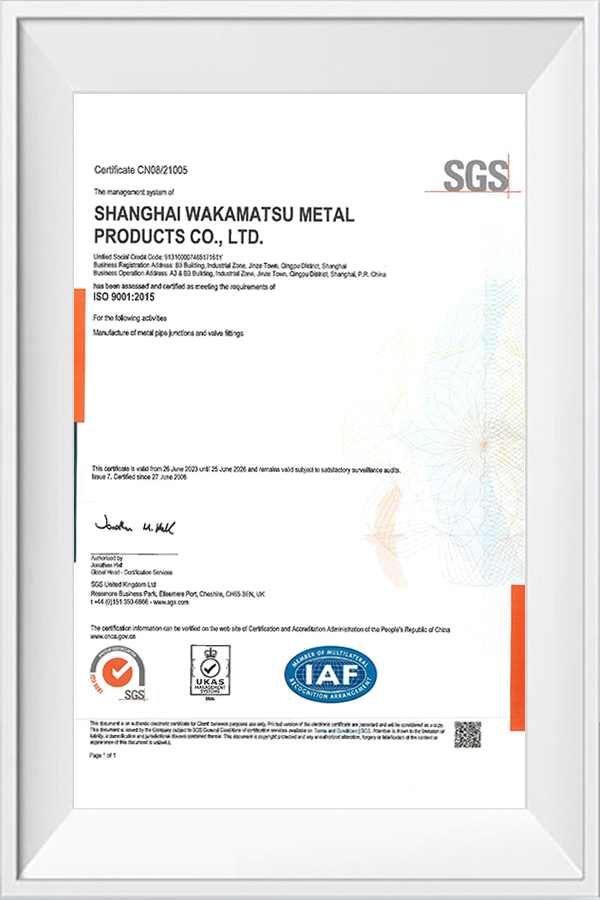
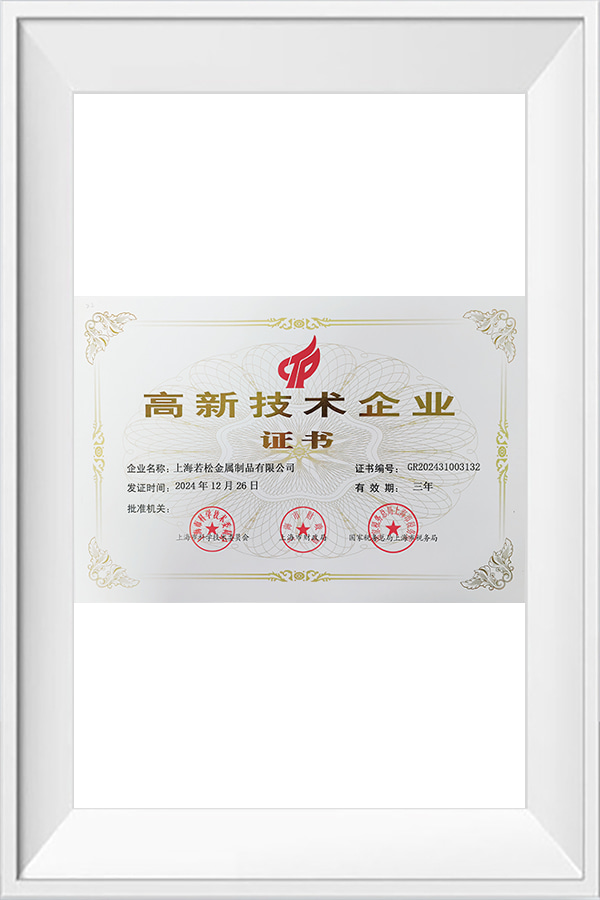
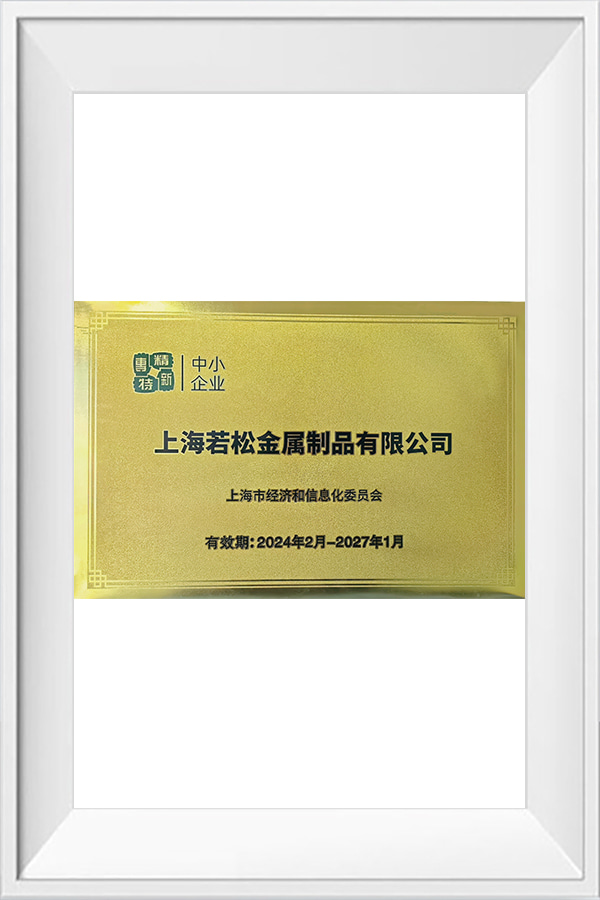
Certificate Of Honor
News
-
-
In various industrial applications, the choice of flange material is critical to ensure durability, strength, and long-term performance. Stainless steel flanges have become one of the most popular materials used in piping systems. But why is stainless steel often the material of choice? In this arti...
READ MORE -
In modern industrial production, precise control of fluids such as water, steam, oil, and chemicals is critical for safety, efficiency, and cost management. Among the many components used in fluid control systems, Stainless Steel Control Valves have become a preferred solution due to their durabilit...
READ MORE
Contact Us
Your suggestions and questions are highly valued by us. Please fill out the form below if you have any queries concerning the goods and services offered by Wakamatsu. We will get back to you as soon as we can.
Stainless steel connectors Industry knowledge
How is Stainless Steel Threaded Fitting NPT/BSPT different from other threaded fittings?
Overview of stainless steel threaded fittings
Stainless steel threaded fitting npt/bspt is a crucial component in modern fluid control systems. Unlike conventional threaded fittings, which may be made from carbon steel, brass, or plastic, stainless steel threaded fitting npt/bspt offers superior mechanical strength, corrosion resistance, and durability. These fittings are specifically designed to provide leak-free connections under high pressure and harsh industrial environments, making them suitable for a wide range of applications including petrochemical, pharmaceutical, semiconductor, and food processing industries.
The main distinction lies in the material composition and manufacturing precision. While traditional fittings may suffer from deformation, corrosion, or sealing failures over time, stainless steel threaded fitting npt/bspt ensures long-term reliability and maintains structural integrity in demanding conditions.
Key material advantages
The use of high-quality 304/316 stainless steel distinguishes stainless steel threaded fitting npt/bspt from standard fittings. The inherent properties of stainless steel provide:
- Excellent corrosion resistance: Stainless steel withstands exposure to water, chemicals, and corrosive gases, reducing maintenance needs.
- High mechanical strength: It can sustain significant internal pressures without risk of deformation.
- Temperature tolerance: These fittings perform reliably under both high and low temperatures, supporting processes in extreme industrial environments.
Compared with fittings made of carbon steel or brass, stainless steel threaded fitting npt/bspt demonstrates a longer service life and reduces the likelihood of system failures, which is critical for industrial operations requiring uninterrupted fluid flow.
Thread standards and compatibility
Stainless steel threaded fitting npt/bspt is manufactured according to two major thread standards: NPT (National Pipe Tapered) and BSPT (British Standard Pipe Tapered). The choice between these standards affects system compatibility and sealing efficiency:
- NPT threads have a tapered design that tightens under torque to form a seal. They are widely used in North America and industries following ANSI standards.
- BSPT threads follow British standards and are commonly found in Europe and Asia. They feature a slightly different taper and pitch, which requires careful consideration when integrating components.
Correct selection ensures Stainless Steel Joint integrity and prevents leakage, a common concern in pipelines transporting liquids or gases.
Manufacturing precision and quality control
The production of stainless steel threaded fitting npt/bspt requires advanced machining equipment and strict quality control processes. Companies specializing in stainless steel pipe fittings utilize CNC processing, turning, milling, drilling, tapping, and polishing to achieve tight tolerances.
A key benefit of this precision manufacturing is consistent thread geometry, which guarantees proper alignment and reliable sealing when installed. In comparison, lower-quality threaded fittings may have irregular thread pitch or surface roughness, increasing the risk of leaks and system failures.
Full-process traceability
Advanced manufacturers implement full-process traceability from raw material inspection to final product delivery. This ensures that every stainless steel joint meets required standards and performs reliably in industrial applications. Measuring tools such as coordinate measuring machines (CMM) and vision systems are commonly used to verify dimensions and quality during production.
Application-based differences
The applications of stainless steel threaded fitting npt/bspt extend across multiple industries where reliability is critical:
- Construction and architectural projects – Provides durable pipe connections for water supply and HVAC systems.
- Medical and pharmaceutical equipment – Ensures contamination-free fluid transfer with chemically resistant materials.
- Fire-fighting systems – Delivers reliable performance under high-pressure conditions.
- Industrial facilities – Handles harsh chemical and thermal environments in manufacturing processes.
| Industry | Typical usage | Advantage of stainless steel threaded fittings |
|---|---|---|
| Petrochemical | Chemical pipelines | Corrosion resistance under chemical exposure |
| Food & Beverage | Process piping | Sanitary surface and chemical compatibility |
| Semiconductor | Cooling circuits | High precision and leak-free connections |
| Mechanical equipment | Hydraulic and pneumatic systems | High pressure and temperature tolerance |
The table highlights how stainless steel threaded fitting npt/bspt provides solutions that conventional fittings often cannot match.
Sealing performance and mechanical reliability
One of the most critical aspects of stainless steel threaded fitting npt/bspt is its exceptional sealing capability. The combination of material strength, precision threading, and surface finish ensures minimal leakage even under high-pressure conditions.
In comparison, fittings made from lower-grade materials may deform or wear quickly, leading to reduced sealing performance. Stainless steel joints maintain consistent contact along the threads, reducing the risk of thread stripping or leakage over time.
Additionally, stainless steel fittings have mechanical reliability that allows them to sustain repeated assembly and disassembly without compromising structural integrity, making them ideal for maintenance-intensive industries.
Sustainability and manufacturing practices
Modern manufacturers of stainless steel threaded fitting npt/bspt emphasize sustainable practices in production. Lean manufacturing, regular equipment maintenance, and workflow optimization reduce material waste and energy consumption. Through process improvement and continuous training, companies ensure long-term efficiency and environmental responsibility while delivering high-quality fittings.
Installation and maintenance considerations
Proper installation is essential to maximize the performance of stainless steel threaded fitting npt/bspt. Key recommendations include:
- Applying appropriate torque during assembly to avoid over-tightening.
- Using compatible sealing compounds or PTFE tape when necessary.
- Regular inspection for corrosion, wear, or deformation, especially in chemical or high-pressure environments.
Maintaining these fittings properly ensures stainless steel joints retain their reliability and service life, reducing downtime and operational risk.
Comparing stainless steel threaded fittings with other materials
| Feature | Stainless Steel Threaded Fitting NPT/BSPT | Brass Fittings | Carbon Steel Fittings | Plastic Fittings |
|---|---|---|---|---|
| Corrosion resistance | High | Moderate | Low without coating | Moderate |
| Pressure tolerance | High | Medium | Medium | Low |
| Temperature tolerance | -200°C to 800°C | -50°C to 200°C | -50°C to 400°C | -20°C to 80°C |
| Mechanical strength | High | Medium | High | Low |
| Service life | Long | Moderate | Moderate | Short |
| Maintenance | Low | Medium | Medium | High |
This comparison highlights why stainless steel threaded fitting npt/bspt is preferred in demanding industrial environments.
Conclusion
In summary, stainless steel threaded fitting npt/bspt stands out from other threaded fittings due to its material strength, corrosion resistance, thread precision, and wide industrial applicability. By offering reliable, leak-free connections, these fittings ensure safe and efficient fluid control across multiple sectors. Advanced manufacturing processes, full-process traceability, and sustainable practices further enhance their value, making them a preferred choice for engineers and system designers.
Proper selection, installation, and maintenance of stainless steel joints can optimize pipeline performance, reduce operational risks, and extend service life, confirming their superiority over conventional fittings.
FAQs
Q1: What industries commonly use stainless steel threaded fitting npt/bspt?
A: They are widely used in petrochemical, food & beverage, semiconductor, construction, and medical industries due to their reliability and corrosion resistance.
Q2: How do I choose between NPT and BSPT threaded fittings?
A: Selection depends on regional standards and system compatibility. NPT is common in North America, while BSPT is widely used in Europe and Asia.
Q3: Can stainless steel threaded fittings be reused?
A: Yes, due to their mechanical strength, stainless steel joints can be disassembled and reassembled multiple times without compromising sealing performance.
Q4: What maintenance is required for these fittings?
A: Regular inspection for wear, corrosion, and thread integrity is recommended, along with proper cleaning and correct installation torque.
Q5: Are stainless steel threaded fittings resistant to high pressure and temperature?
A: Yes, high-quality stainless steel threaded fitting npt/bspt can withstand high pressures and a wide range of temperatures, ensuring safe operation in harsh environments.
If You Need More Help, Let Us Know.

ABOUT US
PRODUCTS
CAPABILITY
CONTACT US
- Phone: +86-21-59261529
- Email: sales@sh-wakamatsu.com
- Email: panhy@sh-wakamatsu.com
- Add: B3 Factory , Industrial Park, Jinze Town, Shanghai, China
Copyright © Shanghai Wakamatsu Metal Products Co., Ltd.
All Rights Reserved.Custom Stainless Steel Threaded Fitting NPT/BSPT Manufacturers