English
 日本語
日本語 中文
中文

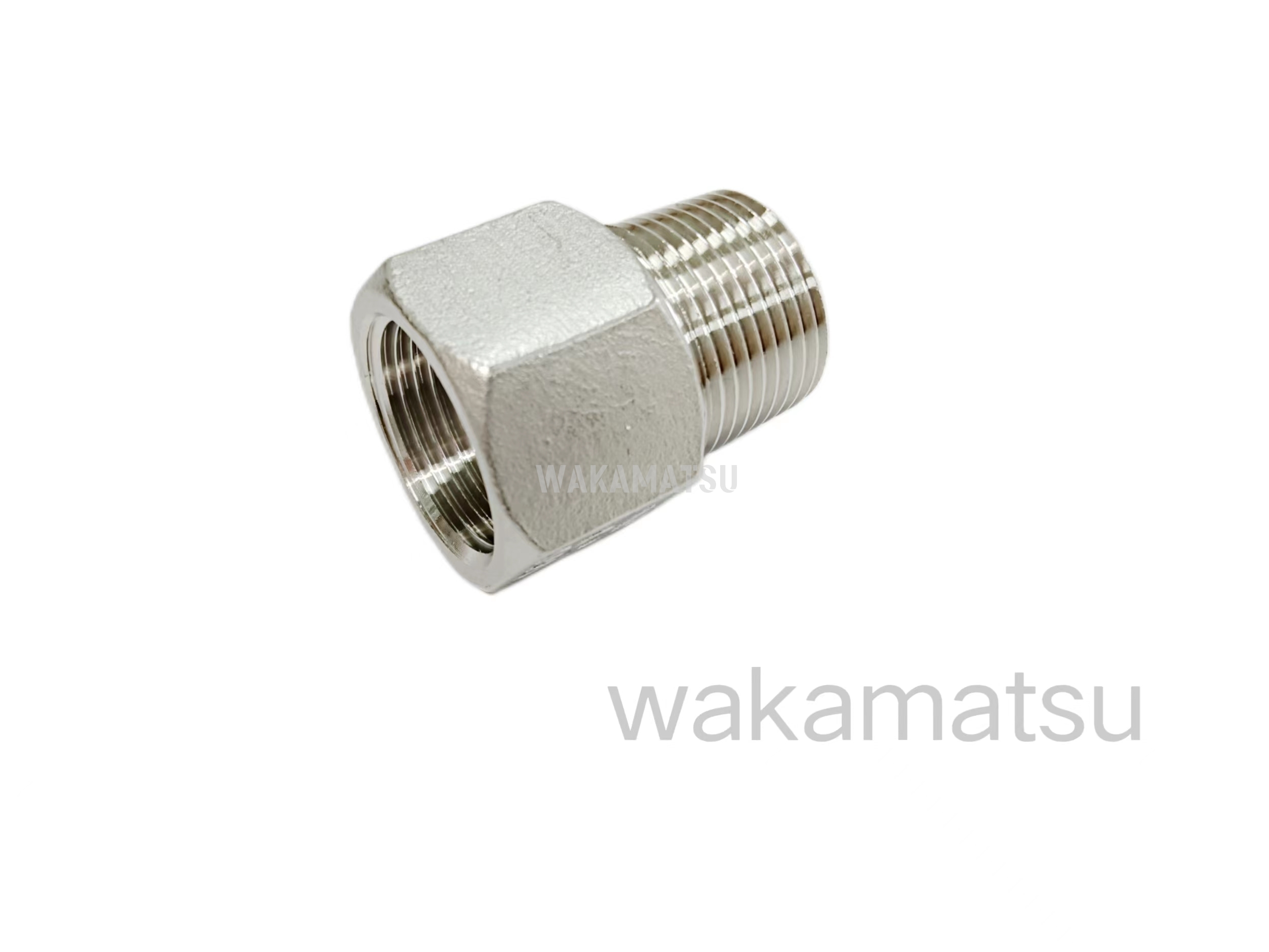
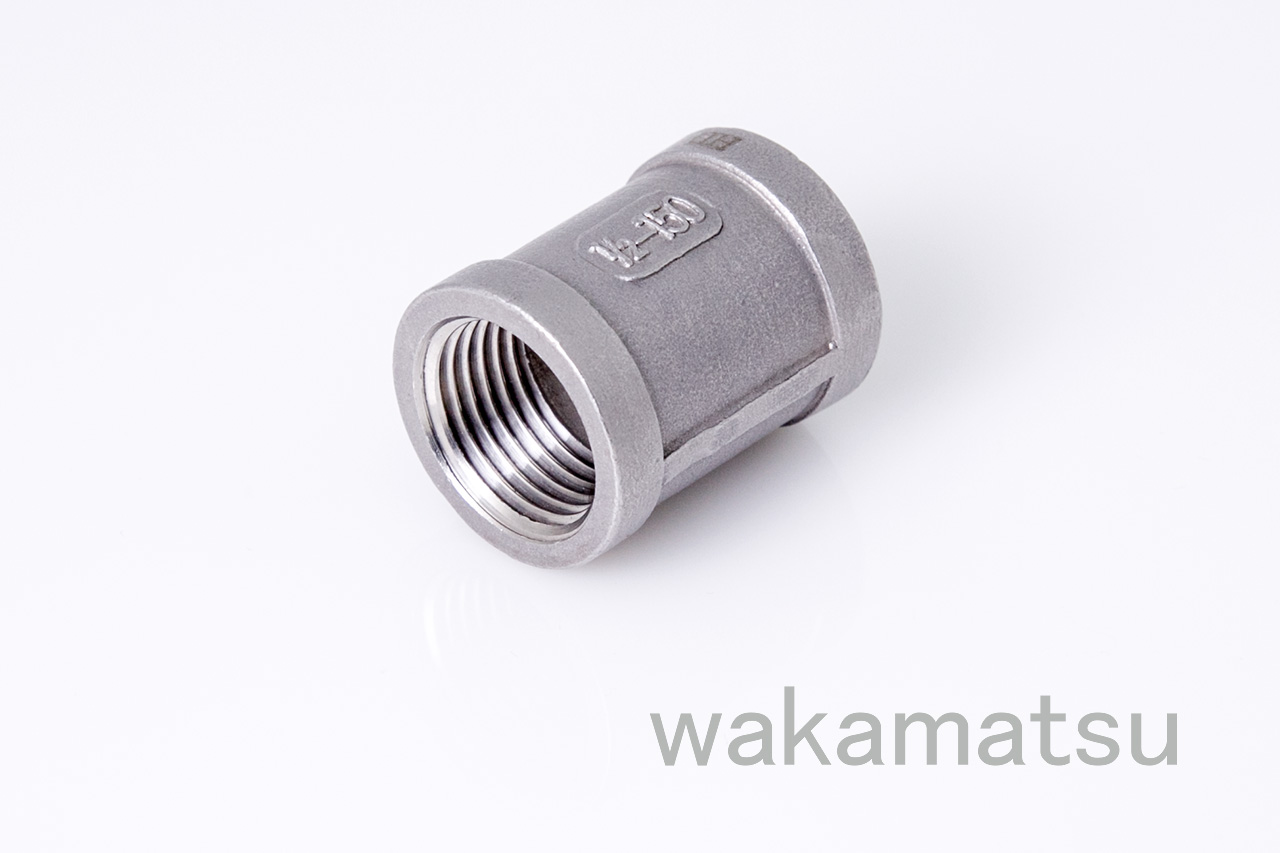
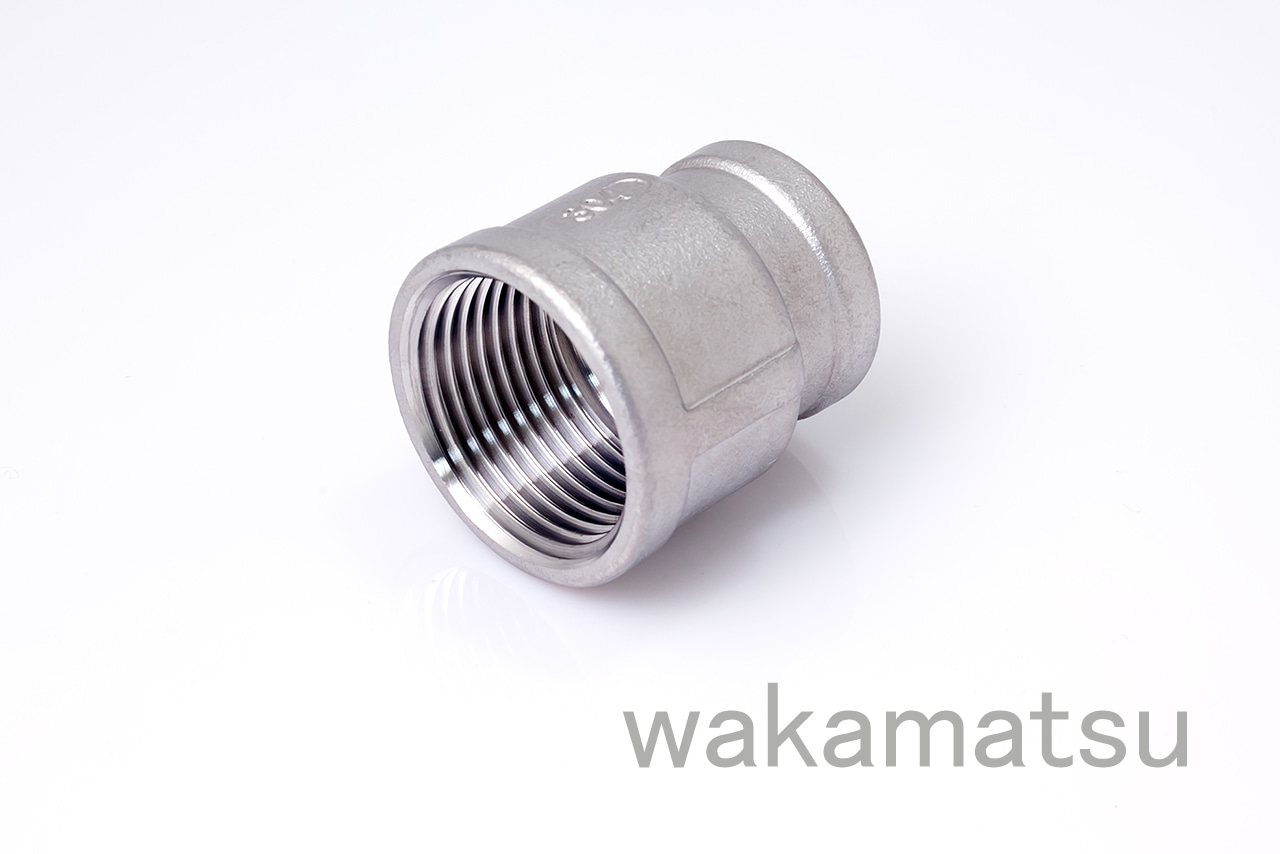
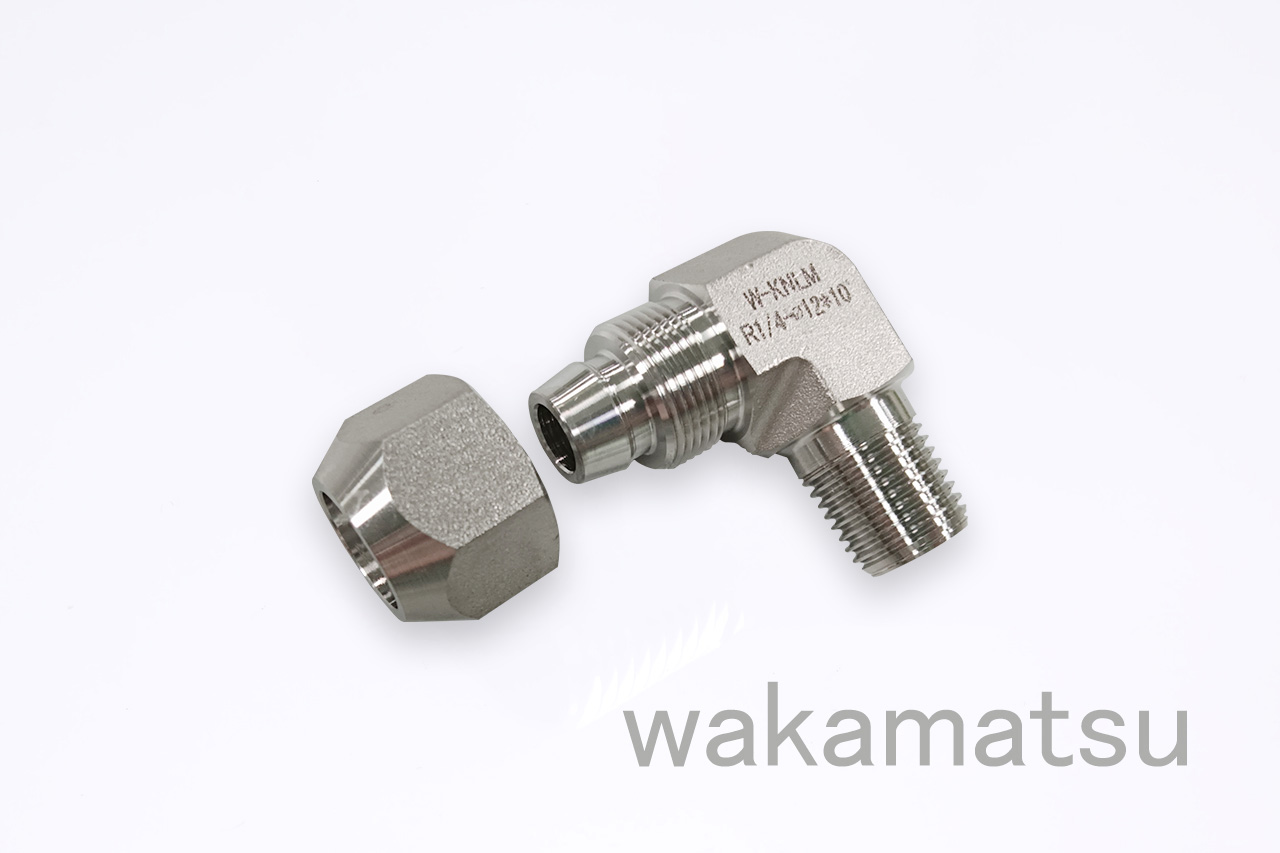
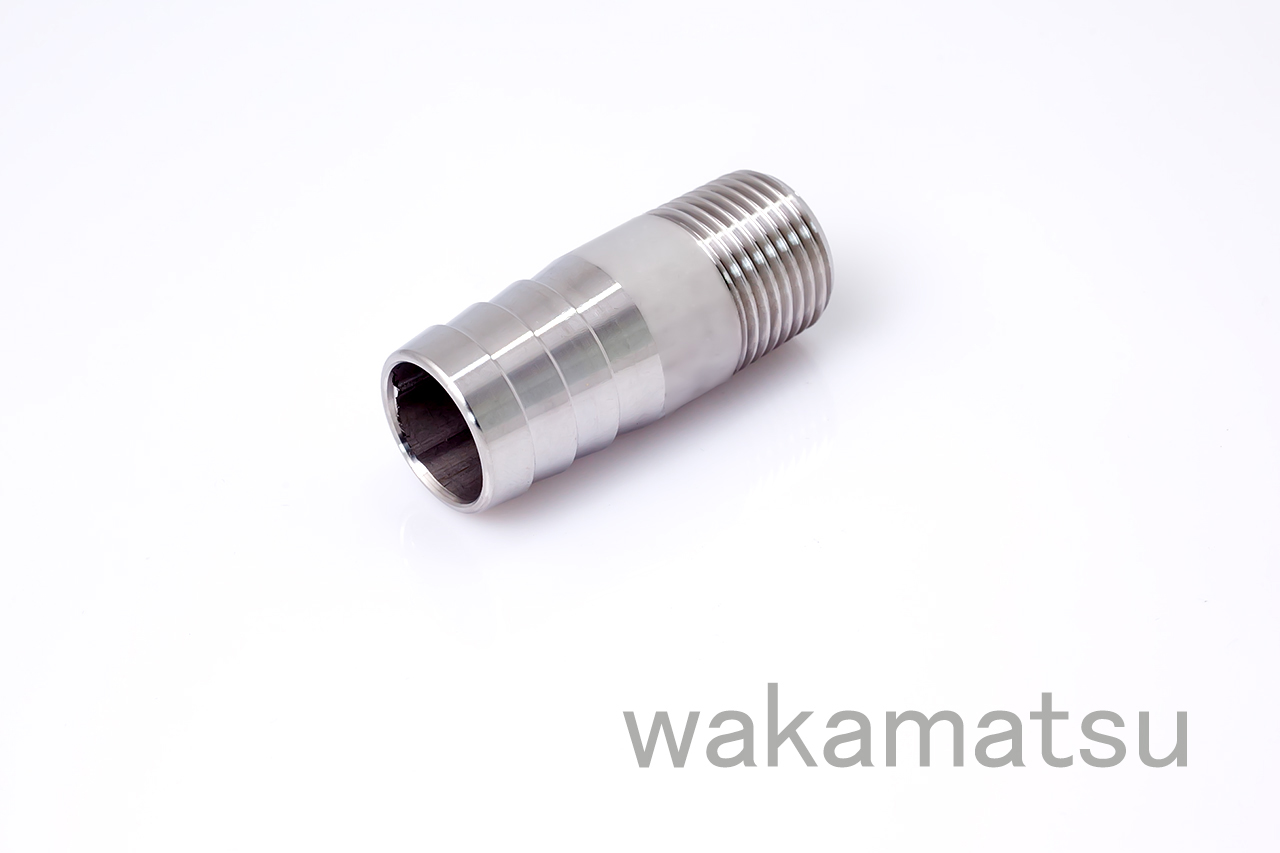
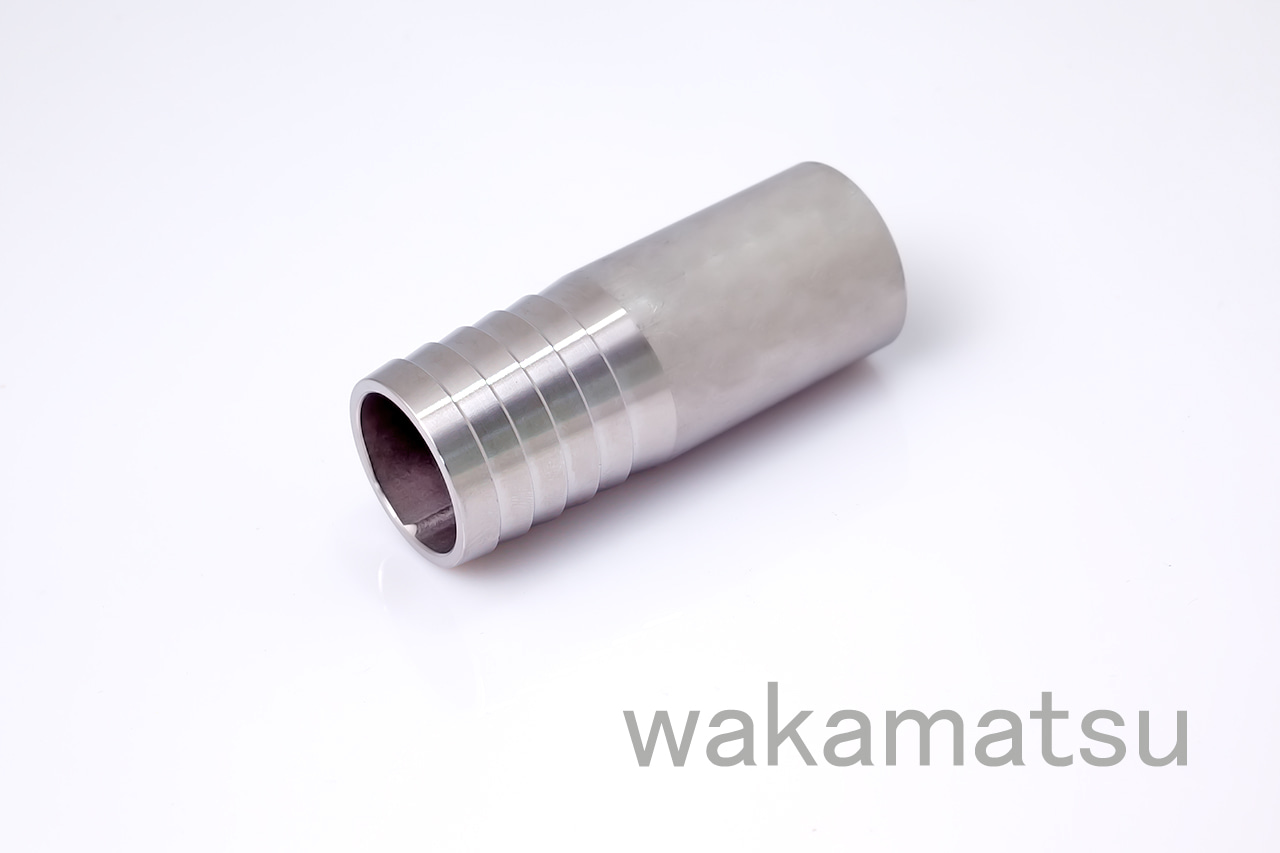
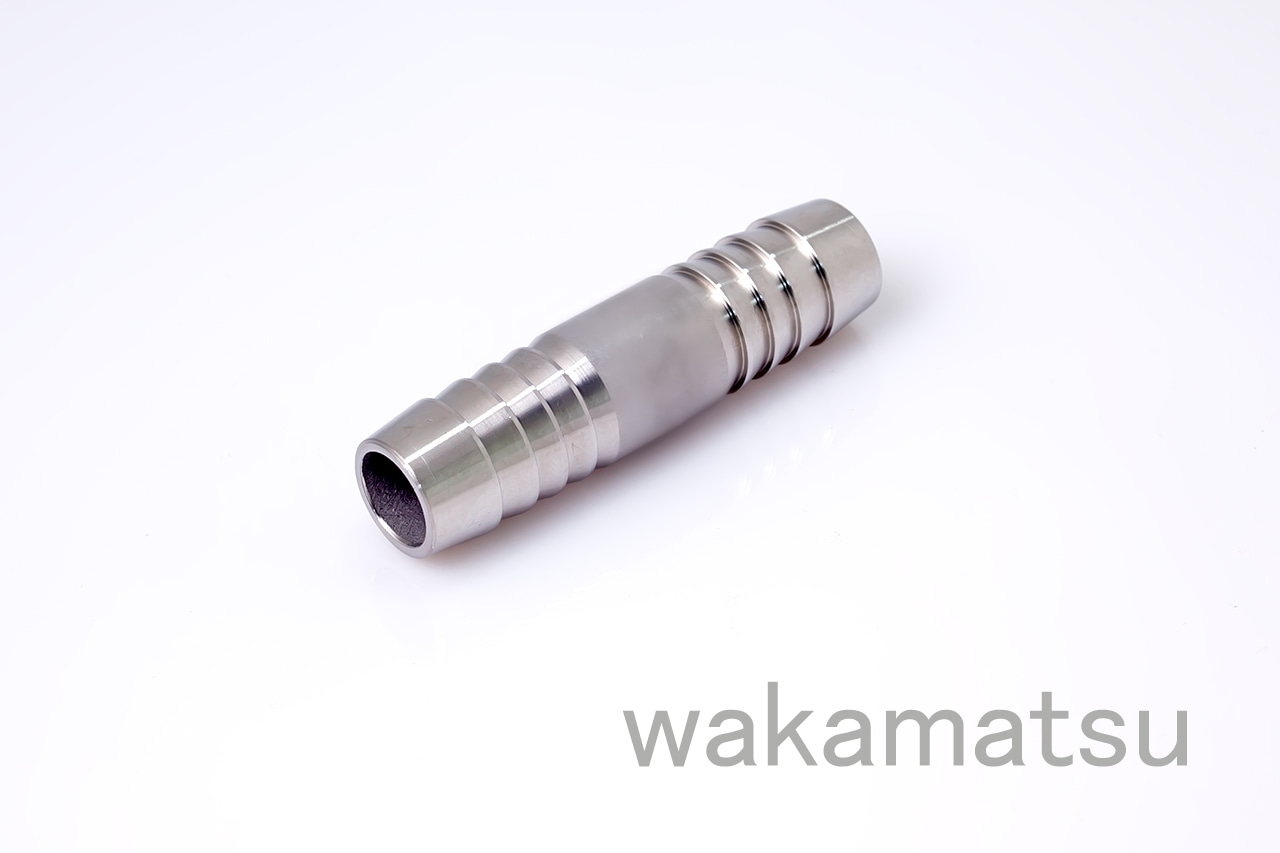

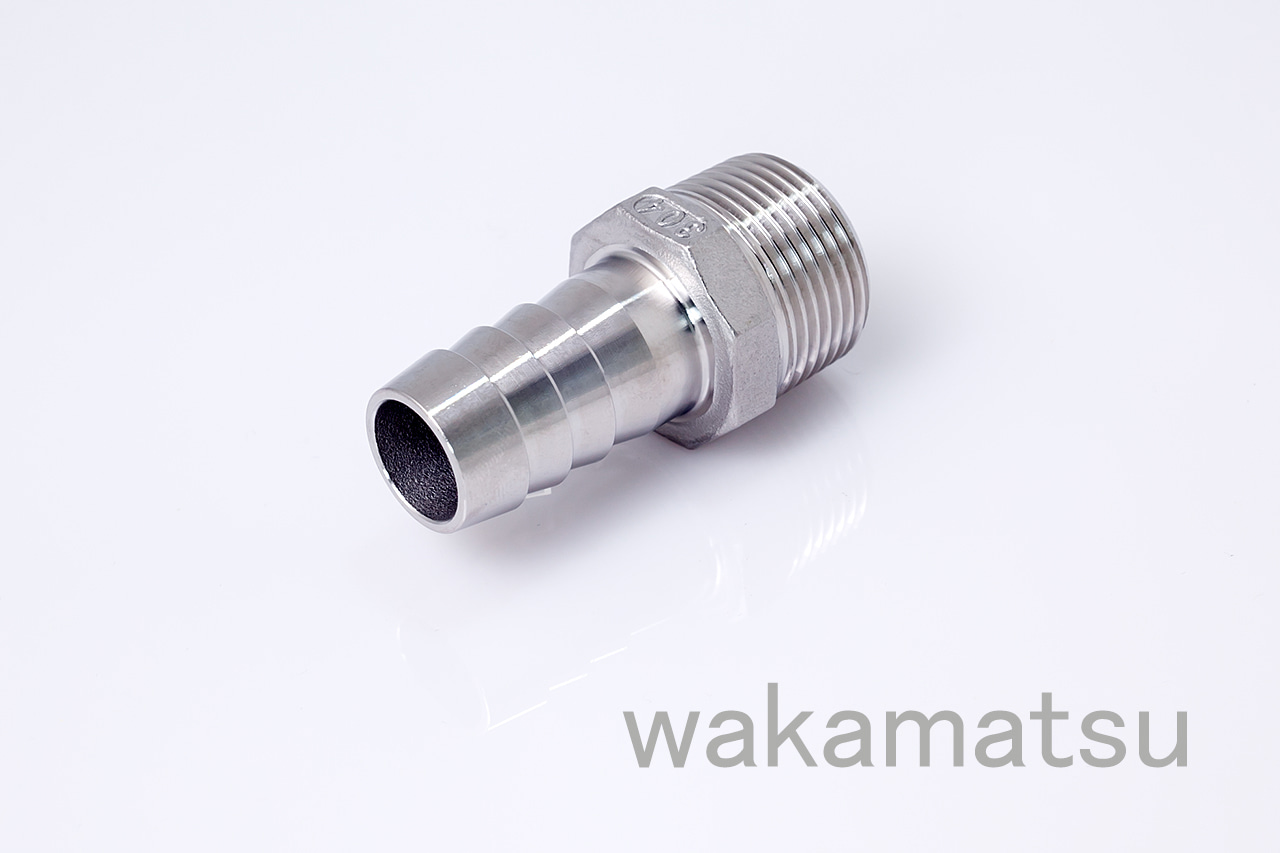

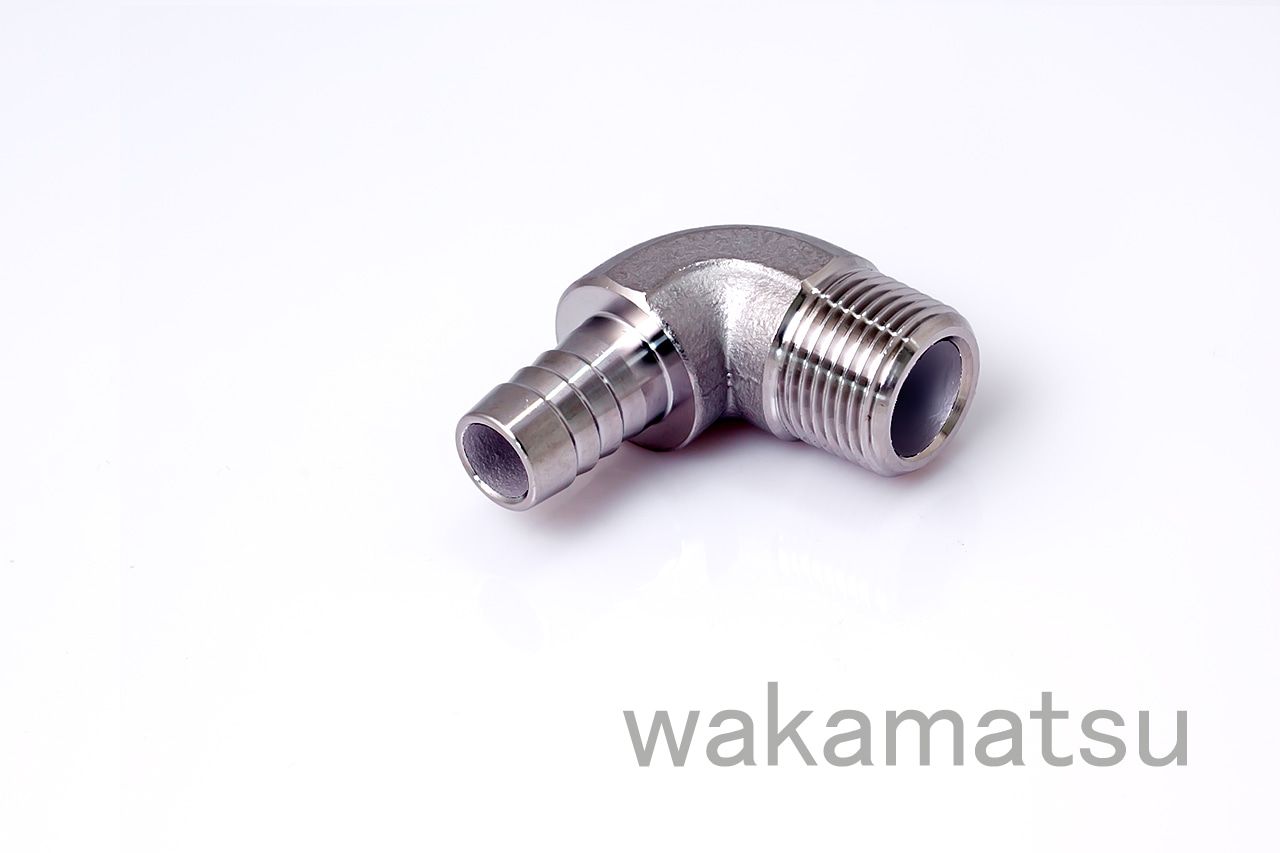
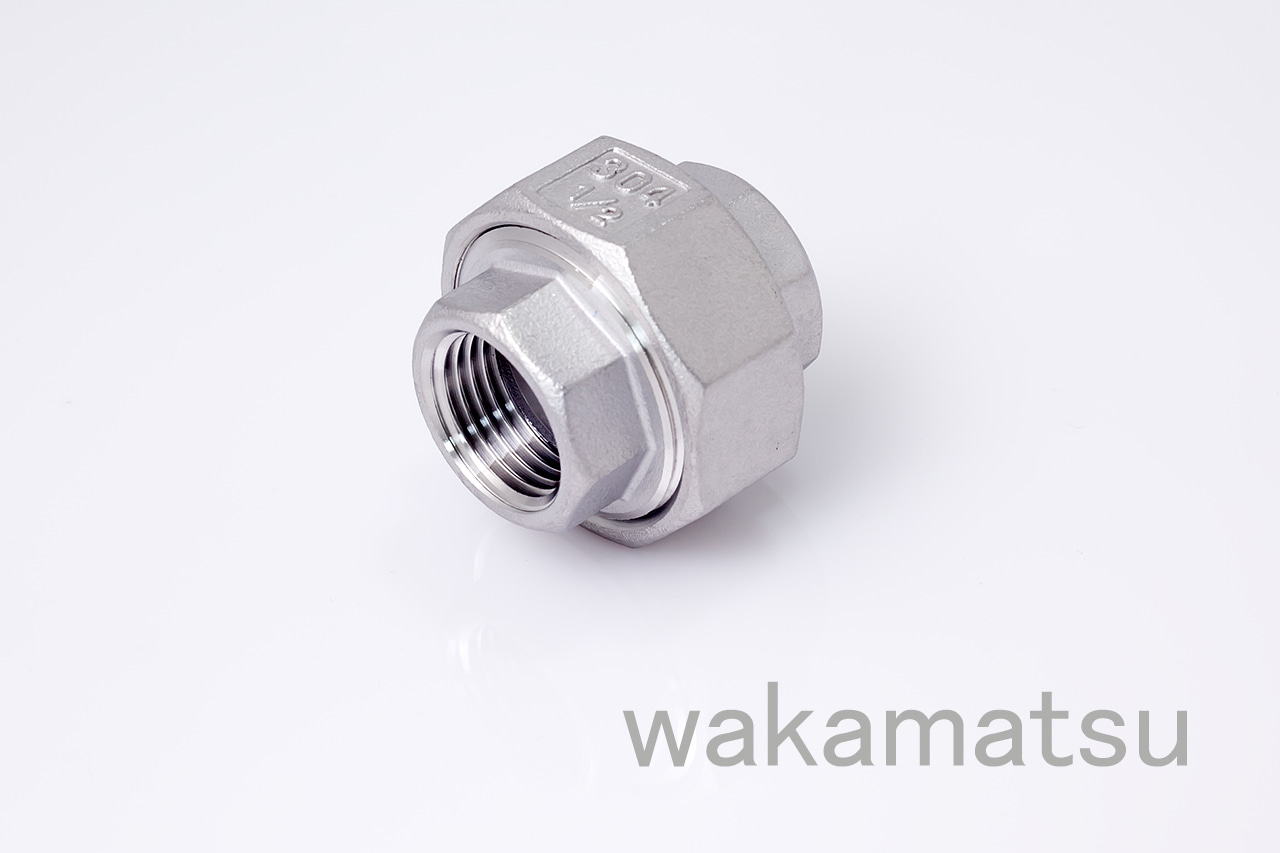
In modern piping and mechanical systems, reliability, corrosion resistance, and installation efficiency are no longer optional — they are standard requirements. Stainless steel threaded connectors have become a preferred solution across industrial sectors due to their durability, versatility, and co...
READ MORE
Stainless steel threaded connector
Wholesale Corrosion Resistant Stainless Steel Threaded Connector
Corrosion Resistant Stainless Steel Threaded Connector Suppliers
This series of stainless steel threaded fittings utilizes high-quality materials for exceptional corrosion and high-pressure resistance. Precision-machined threads and a precise tooth profile ensure a strong, durable, and leak-resistant connection. Electropolished or passivated surfaces ensure high cleanliness, making them suitable for fluid transport systems in water treatment, chemical processing, food processing, and general industrial piping. With a comprehensive selection of thread sizes and sizes, these fittings are ideal for building reliable pipelines.
-
Stainless steel connectors
-
Stainless steel threaded connector
- Nipple,VN/VLN stainless steel double-ended male connector
- Nipple,VWN/VWLN stainless steel single-ended male connector
- WMFB/WMFLB stainless steel female connector, extension connector
- Socket,WPTS/WPTSB thin stainless steel double-ended female connector
- Socket,WHPTS/WHPTSB stainless steel single-ended female connector
- Socket,VSO/VHSO stainless steel straight-through female connector
- Socket,WPS stainless steel thick-wall straight-through female connector
- WM6N stainless steel hexagon nipple connector
- WMRN Stainless Steel Hexagon Reducing nippe connector
- WSFG stainless steel hexagonal equal-diameter adapter
- WBU/WMBU stainless steel bushing connectors
- WMF stainless steel male/female adapters
- WMFR stainless steel male/female reducing adapter
- WMS stainless steel flanged female banded socket
- WMRS stainless steel reducing female connectors
- W-KN series stainless steel quick-connect connectors
- VRHN stainless steel round hose connectors
- VRH stainless steel welding hose connectors
- VHS stainless steel hose connectors
- VHJ stainless steel hose connectors
- VHN, WCH, WMCH stainless steel hexagonal male hose fittings
- WCHF stainless steel hexagonal female thread hose fittings
- WCHL stainless steel L-shaped hose fittings
- WMU stainless steel female union fittings
- WMU2 stainless steel external union fittings WMU2 stainless steel male union fittings
- WMU3 stainless steel female and male union fittings
- WMUL stainless steel female union elbow fittings
- WMUL2 stainless steel female and male union elbow fittings
- WML stainless steel 90° elbow fittings
- WMRL stainless steel reducing elbow fittings
- WMSL stainless steel male/female elbow fitting
- WM45L stainless steel 45° elbow fitting
- WMX stainless steel cross fitting
- WMT stainless steel tee fitting
- WMRT stainless steel reducing tee fitting
- WMT-FMF-1/2 stainless steel main/female branch/female tee fitting
- WMT-FFM-1/2 stainless steel main/double female branch/male tee fitting
- WMT-MMF-1/2 stainless steel main/double male branch/female tee fitting
- WMYT-1/2 stainless steel full female tee fitting
- WMP stainless steel square plug fitting
- WMHP stainless steel hexagonal plug connector
- WCP stainless steel inner hexagonal plug connector
- WC stainless steel round pipe cap
- WHC stainless steel hexagonal pipe cap
- Stainless Steel Bulkhead Fittings Tt Series Female Thread/Male Thread
- Stainless Steel Bulkhead Fittings TTM Series Male/Female thread
- WSFG stainless steel hexagonal equal-diameter adapter-副本
-
Stainless steel bite type fittings
- W - Ktz Stainless Steel Straight-Through Bite Type Fitting
- W - KTZR Stainless Steel Reducing Straight-Through Bite Type Fitting
- W - Ktzm Stainless Steel Straight-Through Male Thread Bite Type Fitting
- W - Ktzf Stainless Steel Straight Through Female Thread Bite Type Fitting
- W - Ktl Stainless Steel Elbow Bite Type Fitting
- W - Ktlm Stainless Steel Male Elbow Bite Type Fitting
- W - Ktlf Stainless Steel Female Thread Elbow Bite Type Fitting
- W - Ktt Stainless Steel Tee Bite Type Fitting
- W - Ktt - Tmt Stainless Steel Tee Bite Type Fitting TMT
- W - Ktt - Tft Stainless Steel Tee Bite Type Fitting TFT
- W - Ktt - Ttm Stainless Steel Tee Branch Male Threaded Fitting
- W - Ktt - Ttf Stainless Steel Tee Bite Type Fitting TTF
- W - Ktx Stainless Steel Four-Way Bite Type Fitting
- W - Ktz - Cb Stainless Steel Straight-Through Bite Type Bulkhead Fitting
- W - Ktc Stainless Steel Tube Plug
- W - Ktp Stainless Steel Ferrule End Plug
- W - Ktq Stainless Steel Ferrule Assembly
- W - Ktg Stainless Steel Tube
-
Stainless steel quick connector
- W-Ksa Stainless Steel Quick Connector
- W-Kse Stainless Steel Quick Connector
- W-Ksf Stainless Steel Quick Connector
- W-Ksdp Stainless Steel Quick Connector
- W-Ksc Stainless Steel Handle Quick Connector
- W-Ksd Stainless Steel Handle Quick Connector
- W-Ksb Stainless Steel Lever Type Quick Connector
- W-Ksdc Stainless Steel Handle Quick Connector
- Stainless steel VCR connector
-
Stainless steel threaded connector
-
Stainless steel valves
-
Stainless steel ball valve
- Wv101/Wv101b Stainless Steel One-Piece Ball Valve
- Wv102/Wv102b Stainless Steel Two-Piece Ball Valve
- Wv102fm Stainless Steel Two-Piece Female And Male Thread Ball Valve
- Wv103 Stainless Steel Three-Piece Ball Valve
- Wv104 Stainless Steel Three-Way Ball Valve
- Wv301 Stainless Steel One-Piece Flange Ball Valve
- Wv302 Stainless Steel Two-Piece Flange Ball Valve
- Wv201ff Mini Stainless Steel Female Thread Ball Valve
- Wv202mm Mini Stainless Steel Male Ball Valve
- Wv203fm Mini Stainless Steel Female And Male Thread Ball Valve
- Wv204hm Pagoda-Shaped Stainless Steel Mini Male Ball Valve
- Wv205hf Pagoda-Shaped Stainless Steel Mini Female Ball Valve
- Stainless steel Y-type strainer
- Stainless steel gate valve/globe valve/check valve
- Stainless steel needle valve
-
Stainless steel ball valve
-
Stainless steel BUTT-WELDING fittings
-
Stainless steel flange
- Hoses and flexible pipes
Grid
List
About Us
Shanghai Wakamatsu Metal Products Co., Ltd.
Founded in 2003, Shanghai Wakamatsu is a Japan-funded manufacturer specializing in stainless steel screwed fittings, valves, and bite type tube fittings.We are China Wholesale Corrosion Resistant Stainless Steel Threaded Connector Suppliers and OEM/ODM Corrosion Resistant Stainless Steel Threaded Connector Factory.
With over two decades of industry expertise, we combine Japanese precision manufacturing with advanced production facilities to deliver high-quality solutions for global clients.
Our products are widely used in construction, industrial equipment, and safety systems, and are trusted by customers across Japan, Europe, and Southeast Asia.
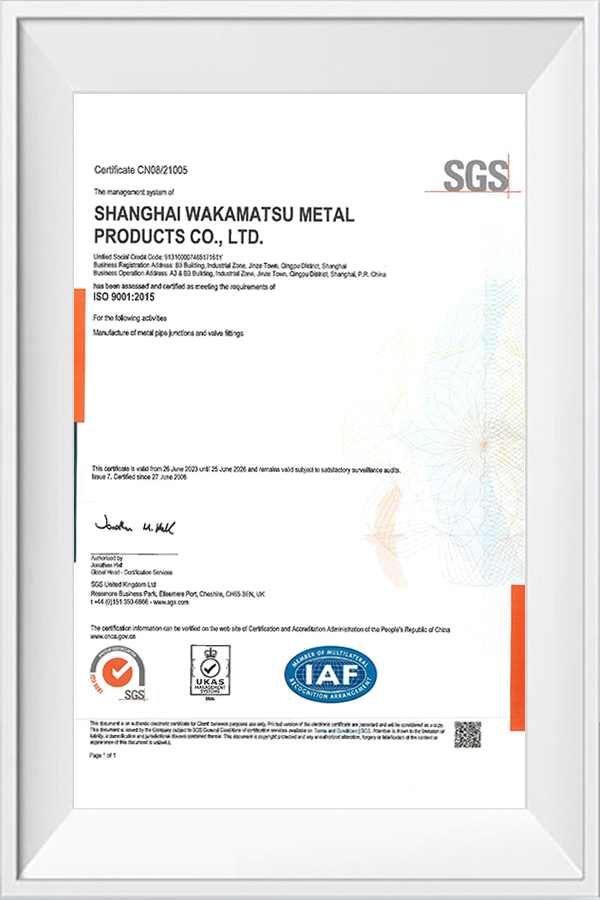
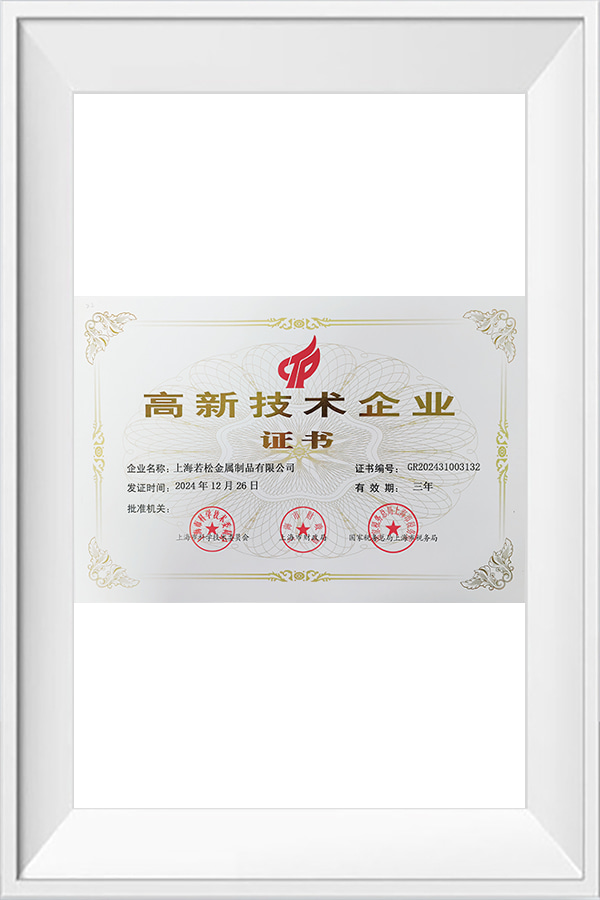
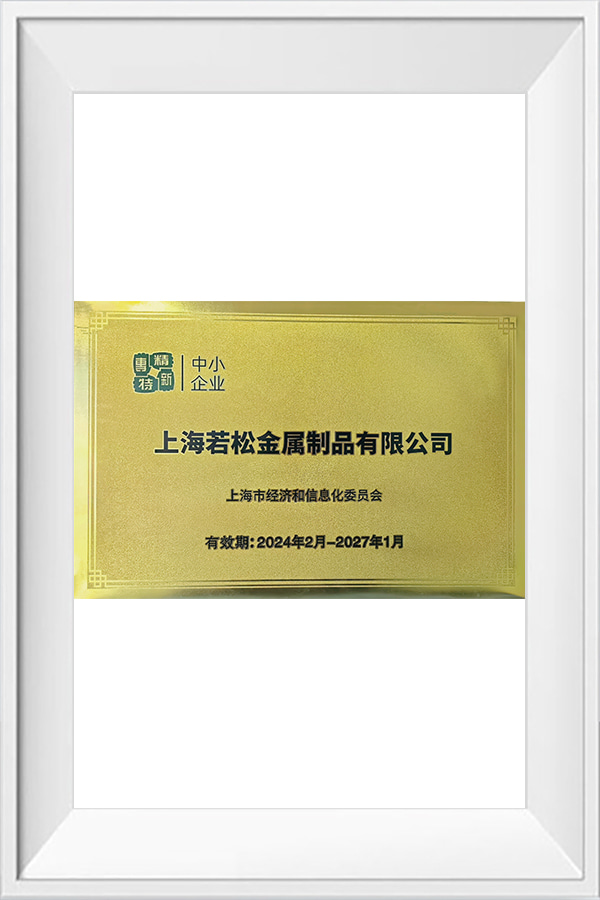
Certificate Of Honor
News
-
-
In various industrial applications, the choice of flange material is critical to ensure durability, strength, and long-term performance. Stainless steel flanges have become one of the most popular materials used in piping systems. But why is stainless steel often the material of choice? In this arti...
READ MORE -
In modern industrial production, precise control of fluids such as water, steam, oil, and chemicals is critical for safety, efficiency, and cost management. Among the many components used in fluid control systems, Stainless Steel Control Valves have become a preferred solution due to their durabilit...
READ MORE
Contact Us
Your suggestions and questions are highly valued by us. Please fill out the form below if you have any queries concerning the goods and services offered by Wakamatsu. We will get back to you as soon as we can.
Stainless steel threaded connector Industry knowledge
An In-depth Analysis: The Core Value and Applications of Corrosion Resistant Stainless Steel Threaded Connectors
In modern industrial systems, the reliability of connectors directly impacts the safety and efficiency of the entire pipeline network. Among the various options, the corrosion resistant stainless steel threaded connector has become the preferred solution for numerous demanding applications, owing to its unique material advantages and convenient connection method.
1. Why Choose "Stainless Steel"? — The Cornerstone of Corrosion Resistance
The core value of this product lies in its "corrosion-resistant" property. Compared to ordinary carbon steel, stainless steel (especially the 304 and 316 series) contains a high amount of chromium, which forms a dense, stable passive film on its surface. This film effectively isolates oxygen, moisture, and corrosive media, thereby preventing rust and chemical erosion.
- SS304 is the most common choice, offering a good cost-performance ratio and sufficient resistance to most freshwater, urban atmospheres, and weak chemical environments.
- SS316/316L goes a step further by adding molybdenum, significantly enhancing its resistance to chlorides (like seawater and salt spray) and reducing acids (like sulfuric and acetic acid), making it an ideal material for marine, chemical, and pharmaceutical fields.
2. The Advantages of "Threaded Connection" — A Simple and Efficient Engineering Solution
Threaded connection is a mature and highly efficient connection technology. It creates an axial clamping force through the engagement of male and female threads, achieving a tight connection between pipe fittings. Its main advantages include:
- Easy Installation: No complex welding equipment or specialized skills are required. Installation can be completed with common tools like wrenches, significantly shortening the construction period.
- Detachable: Facilitates system maintenance, inspection, and replacement, reducing long-term operational costs.
- Controllable Cost: Both the material cost and installation cost of threaded connectors are more competitive compared to welding or flanged connections.
3. The Breadth and Depth of Application Scenarios
As the table below shows, the application fields for these connectors are extremely broad. In the food and beverage industry, their smooth surface and non-toxic nature ensure the purity and hygiene of products; on offshore platforms, their strong resistance to salt spray corrosion guarantees structural safety; and in semiconductor factories, their high cleanliness and corrosion resistance meet the stringent requirements for ultra-pure water transportation.
4. Product Information Overview Table
| Item | Detailed Information |
| Product Name | Corrosion Resistant Stainless Steel Threaded Connector |
| Core Function | To achieve reliable sealing and connection between pipes, valves, instruments, and other equipment in corrosive environments through a threaded connection method. |
| Key Materials | Stainless Steel, mainly including: • SS304 (06Cr19Ni10): General-purpose type, resistant to various atmospheric, water, and chemical media. • SS316 (06Cr17Ni12Mo2): Added molybdenum for better resistance to chloride and acidic environments. • 316L: Low-carbon version with superior resistance to intergranular corrosion, suitable for welding. |
| Main Features | • Excellent Corrosion Resistance: Resists rust, chemical erosion, and contamination. • High Strength and Durability: Stainless steel material ensures structural stability and high pressure-bearing capacity. • Reliable Sealing: Precision thread machining effectively prevents leakage. • Wide Applicability: Suitable for various fluid media such as water, oil, gas, and chemicals. • Easy Installation and Maintenance: No special welding tools required; installation and removal are convenient. |
| Common Types | • Male Connector • Female Connector • Elbow • Tee • Cross • Union • Reducer |
| Main Application Fields | • Water Treatment and Supply/Drainage Systems • Petroleum and Chemical Industry • Food and Beverage Processing • Marine Engineering and Shipbuilding • Pharmaceutical and Biotechnology • Semiconductor and Electronics Industry |
5. Conclusion
A corrosion-resistant stainless steel threaded connector is not just a simple part, but a systematic solution that integrates material science, precision machining, and engineering applications. Correctly selecting the material grade and connector type is a critical step in ensuring the long-term, safe, and stable operation of an industrial pipeline system. Companies like Shanghai Wakamatsu Metal Products Co., Ltd., equipped with advanced CNC machining equipment and extensive experience in R&D and production, provide a guarantee of high-quality, high-reliability products to the market.
FAQ
1. What are the most common causes of failure for stainless steel threaded connectors?
Although stainless steel is known for its corrosion resistance, failures can still occur. The most common causes are not the material rusting, but rather crevice corrosion and stress corrosion cracking. Crevice corrosion occurs in the tiny gaps between the connector and a gasket or another metal part, where an oxygen-depleted environment causes the passive film to break down. Stress corrosion cracking is a brittle fracture that happens under the combined effect of a specific corrosive environment (like one containing chloride ions) and sustained tensile stress. Additionally, improper installation (such as over-tightening or under-tightening) leading to damaged threads or inadequate sealing is a frequent human-induced cause of leakage and failure.
2. What is the difference between 316 and 316L stainless steel threaded connectors, and how should I choose?
The primary difference between 316 and 316L lies in their carbon content. The "L" in 316L stands for "Low Carbon," with its carbon content controlled below 0.03%, whereas standard 316 has a maximum carbon content of 0.08%. This difference is critical: the lower carbon content in 316L effectively prevents the precipitation of chromium carbides at grain boundaries after welding or prolonged exposure to high temperatures, thereby greatly improving resistance to intergranular corrosion. Therefore, if your application involves welding or operates at high temperatures (425-815°C), 316L is the safer and more reliable choice. For non-welded, ambient temperature applications, standard 316 already provides excellent corrosion resistance and slightly higher strength.
3. How do I properly install a stainless steel threaded connector to ensure the best seal?
Correct installation is key to ensuring sealing and system longevity. First, cleanliness is a prerequisite: ensure both male and female threads are free of any dirt, burrs, or old sealant residue. Second, choose the appropriate sealing material: PTFE tape is commonly used for water, oil, and other media; for high-temperature or special chemical applications, a specialized thread sealant may be required. When applying PTFE tape, wrap it evenly 2-3 turns in the direction of the threads, being careful not to cover the first thread to prevent debris from entering the system. Finally, use the appropriate torque: tighten by hand first, then use a wrench to apply an additional 1/2 to 3/4 of a turn. Over-tightening can deform or even damage the threads, while under-tightening will not form an effective seal. Referencing the manufacturer's torque recommendations is the best practice.
4. In which situations must I use stainless steel threaded connectors instead of brass or carbon steel?
Choosing stainless steel is typically driven by the following demanding or specific requirements:
- Highly Corrosive Environments: Such as marine settings, chemical processes, swimming pool water treatment (chlorine), and food processing (acidic cleaners), where brass can suffer from dezincification and carbon steel will rust rapidly.
- Sanitary and Cleanliness Requirements: In pharmaceutical, biotechnology, food & beverage, and semiconductor industries, stainless steel's non-toxic, non-leaching, and smooth, easy-to-clean properties are mandatory. The zinc in brass can leach and cause contamination.
- High-Temperature and High-Pressure Applications: Stainless steel (especially the 316 series) maintains better mechanical strength and oxidation resistance at high temperatures, whereas the strength of brass decreases significantly when heated.
- Long Life and Low Maintenance Needs: For systems that are difficult to access or require extremely high reliability (such as fire-fighting equipment or buried pipelines), the durability of stainless steel can significantly reduce the total cost of ownership, including maintenance and replacement.
If You Need More Help, Let Us Know.

ABOUT US
PRODUCTS
CAPABILITY
CONTACT US
- Phone: +86-21-59261529
- Email: sales@sh-wakamatsu.com
- Email: panhy@sh-wakamatsu.com
- Add: B3 Factory , Industrial Park, Jinze Town, Shanghai, China
Copyright © Shanghai Wakamatsu Metal Products Co., Ltd.
All Rights Reserved.Wholesale Corrosion Resistant Stainless Steel Threaded Connector Suppliers